


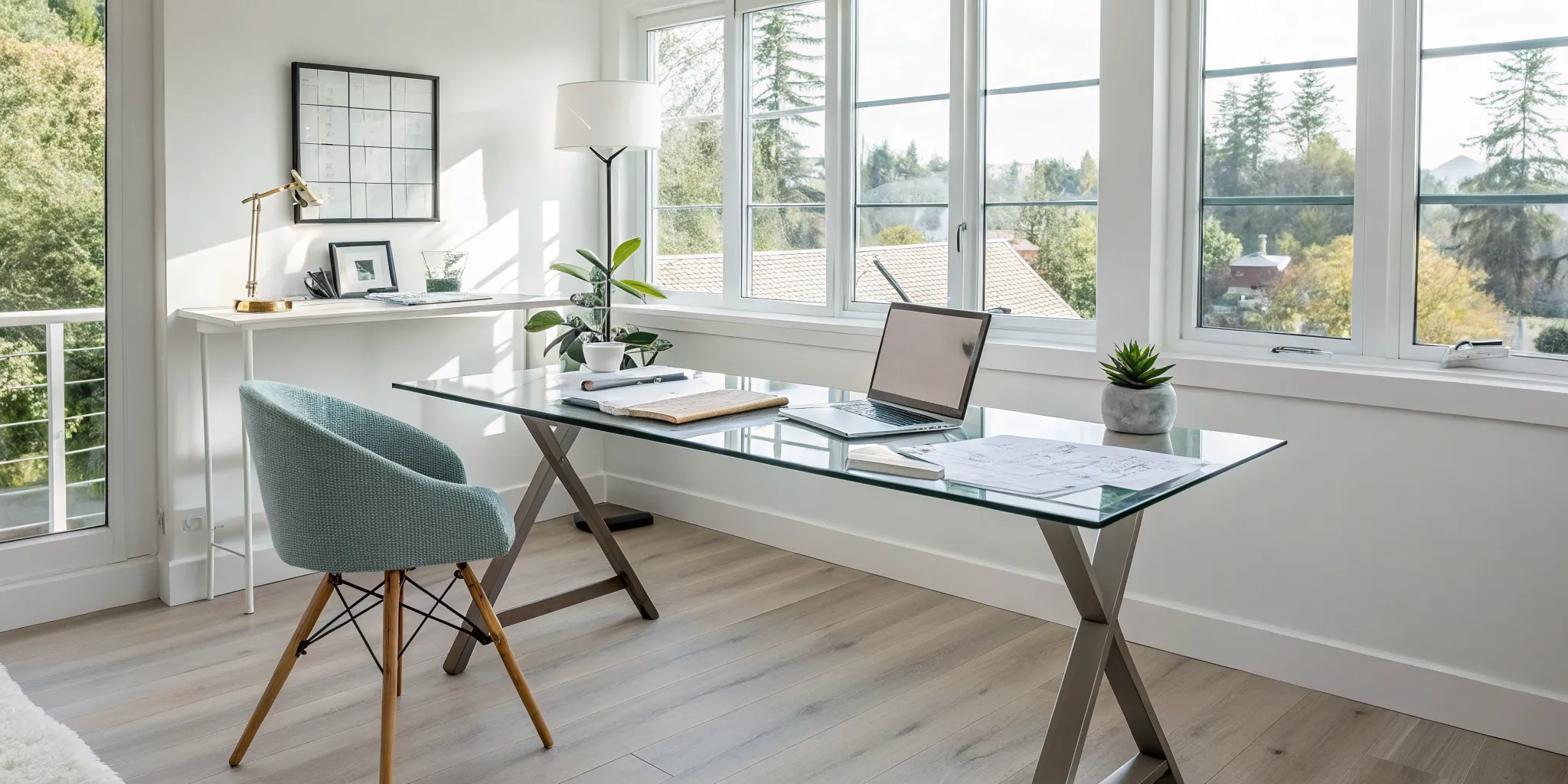
Running a business from home means you’re not just an entrepreneur; you’re also a neighbor. While your focus is on building your dream, cities have rules in place to ensure the character of residential communities is preserved. This is why there are specific legal guidelines when you decide to use residential property for business. These regulations aren't arbitrary hurdles; they exist to balance commercial activity with neighborhood peace. Things like customer traffic, noise, signage, and even deliveries can impact those around you. Understanding and respecting these rules from the beginning is the key to being a responsible business owner and a great neighbor. Let's walk through the essential compliance steps to make sure your new venture is a welcome addition to your community.
Key Takeaways
- Do your legal homework before you launch: Check your city's zoning laws, get the right business permits, and review your HOA rules. This foundational step helps you avoid fines and ensures your business starts on solid ground.
- Establish clear professional boundaries: Set up a dedicated workspace to help you focus, stick to defined business hours to protect your personal time, and use tools like a virtual address to keep your home life private.
- Protect your assets and finances: Your homeowner's policy likely won't cover business activities, so get the right business insurance. Also, keep detailed records of all your expenses to simplify tax season and claim every available deduction.
What Are the Legal Rules for a Home Business?
Starting a business from home is an exciting venture, but before you print business cards and launch your website, it’s important to get familiar with the legal landscape. Running a business out of your residential property isn't quite as simple as just opening up shop in your living room. Cities, and sometimes even specific neighborhoods, have rules in place to make sure commercial activities don't disrupt the community.
Think of it as doing your homework to build a strong foundation for your business. Getting these details right from the start saves you from potential headaches, fines, or even having to shut down later. From zoning laws to local permits and neighborhood agreements, a few key checks can ensure your home-based business is not only successful but also fully compliant. Let's walk through the main legal areas you'll need to consider.
Know the local zoning laws and restrictions
First up are zoning laws. In simple terms, these are the city's rules for how land can be used. Most residential neighborhoods are zoned specifically for living, not for commerce. The good news is that Los Angeles allows for home-based businesses, but you have to follow the city's home occupation rules. These regulations are designed to preserve the residential feel of a neighborhood, which means there are often limits on things like customer traffic, noise, signage, and outdoor storage. The type of business you can run is also a factor. For example, a freelance writer who works quietly on a computer is very different from a mechanic repairing cars in the driveway. Your business must be a secondary use for your home, not the primary one, and it can't change the residential character of your property.
Find out which permits and licenses you need
Once you've confirmed your business idea complies with zoning, the next step is getting the right paperwork. Nearly every business needs some kind of license to operate legally. For a home-based business in Los Angeles, you will likely need a general business license, often called a Business Tax Registration Certificate. Depending on your industry, you might need additional permits. For instance, if you prepare food, you'll need health department permits, or if you're a therapist, you'll need professional licenses. A great place to start is the LA Business Portal, which guides you through the requirements. It’s also smart to check with the City of Los Angeles Office of Finance, as they handle business taxes and can clarify what's needed, including specific rules for property owners who rent out dwellings.
Check your HOA regulations and deed restrictions
If you live in a community with a Homeowners Association (HOA), you have another layer of rules to follow. HOAs have their own set of regulations, often called CC&Rs (Covenants, Conditions, and Restrictions), which can be even stricter than city laws. These rules are private agreements you consent to when you buy a home in the community, and they can dictate whether you can run a business from your home at all. Common HOA restrictions include prohibiting client visits, banning commercial vehicle parking, or limiting signage. Before you invest in your new venture, dig out your HOA documents or contact your board to get a clear picture of what’s allowed. If you're currently looking for a home with business potential, working with a real estate agent who understands these nuances is key. We can help you review HOA documents before you make an offer, ensuring your new home supports your entrepreneurial goals.
What Kinds of Businesses Can You Run From Home?
The dream of running a business from your living room or a converted garage is more achievable than ever. The key is to choose a business type that fits within the rules of your residential area. Los Angeles has specific guidelines to ensure that home-based businesses don't disrupt the neighborhood's character. Generally, the less your business impacts your neighbors with noise, traffic, or visible changes to your home, the easier it will be to operate legally. Let's look at a few common categories of home-based businesses and what you should consider for each.
Home-based service businesses
Service businesses, like tutoring, music lessons, or personal training, can be a great fit for a home setup. However, since these models often involve clients visiting your property, you need to be mindful of local regulations. The City of Los Angeles has a zoning code that restricts certain commercial activities in residential zones to maintain neighborhood peace. Before you start, think about the potential impact. Will clients need parking? Will you have a steady stream of visitors? Your city’s planning department can tell you if there are limits on the number of clients you can see per day or rules against posting a large sign on your lawn.
Online and digital businesses
If your work happens entirely online, you have one of the most flexible home business models. This includes e-commerce stores, digital marketing agencies, web design firms, and freelance writing. Because these businesses typically don't create foot traffic or noise, they are less likely to run into zoning issues. The main idea behind home-based business regulations is to prevent your work from negatively affecting your neighbors. Even without a physical storefront, you still need to register your business and follow all tax laws. The good news is that the compliance process is often much simpler when you don't have customers or inventory coming and going from your home.
Consulting and professional services
Consultants, therapists, accountants, and other professionals can easily operate from a home office. This type of work is quiet and usually has a minimal physical footprint. If you plan to meet with clients at your home, the same rules about traffic and neighborhood impact apply. However, many consultants choose to meet clients at their offices or in neutral locations like coffee shops. It’s also important to know the rules about employees. In Los Angeles, for example, you are generally allowed to have only one employee who does not live in the home working with you. This rule helps keep the scale of the business appropriate for a residential setting.
Creative and craft-based businesses
Turning a creative passion into a business is a popular path for home-based entrepreneurs. Whether you're a painter, a jewelry maker, or a graphic designer, your home can be the perfect studio. The main consideration for creative businesses is the potential for nuisance. According to home occupation rules, you must adhere to limitations on things like noise and traffic. If your craft involves loud machinery, strong odors from materials, or frequent large deliveries, you’ll need to check that your activities are permitted. Storing inventory can also be a factor, so make sure you have adequate space that doesn't violate any local codes.
How to Stay Compliant With Local Regulations
Running a business from home is a great way to start, but it’s important to follow the rules. Local regulations exist to keep residential neighborhoods peaceful and safe. Taking the time to comply from the beginning will save you from potential fines, legal issues, and neighbor disputes down the road. Here’s how to make sure your home-based business is set up correctly.
Research your city's codes and zoning rules
First, you need to understand your local zoning laws. These rules dictate how properties can be used. Most residential zones have "home occupation" rules that allow for small-scale business activities. According to the Guide to Residential Zoning in Los Angeles, "Operating a home-based business is allowed, provided it adheres to the city's home occupation rules, including limitations on noise and traffic." This means you’ll likely have restrictions on client visits, on-site employees, and signage. Start by visiting your city’s official website to find its municipal code and learn the specifics for your area.
Contact your local planning department
After your initial research, your next stop should be the local planning or zoning department. These officials can give you the most accurate information for your property. Since your home is zoned for residential use, there will be limits on your commercial activities. The City of Los Angeles’s business portal notes there are restrictions on the type and amount of commercial activity you can conduct from home. Don’t guess or rely on hearsay. Speaking directly with a city planner can clarify confusing rules and help you understand exactly what you need to do to operate legally.
Get the necessary permits and approvals
Once you know the rules, it’s time for the paperwork. Nearly every business needs a license or permit to operate legally, and home-based businesses are no different. As one guide explains, "Most home businesses need a general business license and possibly other permits (like for signs or health inspections)." For example, a graphic designer might just need a business license. But if you’re running a catering business from your kitchen, you’ll also need a health permit. Check with your city and county to identify all the necessary approvals for your specific business.
Work with your neighbors and community
Legal compliance isn't just about satisfying the government; it's also about maintaining good relationships with your neighbors. Proactive communication can prevent complaints that could trigger an official review of your business. It’s a good idea to "speak with local government officials (like the planning office) and your neighbors early on. This helps avoid problems and builds trust." You don’t need to give them a full business plan, but a simple heads-up about what you’re doing can build goodwill. If you expect occasional client visits or deliveries, letting your immediate neighbors know makes them feel respected and included.
Understand the Risks of a Home-Based Business
Running a business from home is an incredible way to build your dream career, but it’s smart to go in with your eyes open. While the benefits are huge, there are a few potential hurdles to consider, from local regulations to your personal privacy. Thinking through these challenges ahead of time is the best way to protect yourself, your family, and your investment. Let's walk through the main risks so you can create a solid plan and set your home business up for long-term success.
Avoid zoning violations and penalties
Before you print business cards, you need to check your local zoning rules. These regulations dictate how properties in your neighborhood can be used, and many residential areas have restrictions on commercial activity. Running a business that violates these codes can lead to hefty fines or even a shutdown order from the city. For example, a rule might limit the number of clients who can visit your home each day or prohibit certain types of businesses entirely. You can usually find this information on your city or county’s website, and it’s a critical first step to ensure your business is compliant.
Address privacy and security concerns
When you register your business, your address often becomes public record. Using your home address means anyone, from curious customers to unhappy clients, can find out where you live. This can create uncomfortable or even unsafe situations for you and your family. To protect your privacy, consider getting a P.O. box for mail or using a virtual business address service. These services provide you with a professional address for official correspondence and registration, keeping your home life separate and secure while you build your company.
Overcome professional credibility challenges
While working from home is more common than ever, some clients may still perceive a residential address as less professional than a commercial one. This isn't a dealbreaker, but it's something to be aware of as you build your brand. You can easily overcome this by investing in other areas that signal credibility. A polished website, a dedicated business phone number, and professional email address go a long way. Using a virtual business address can also help project a more established image, ensuring potential clients focus on the quality of your work, not your location.
See how a home business can affect your property value
Using your home for business can have financial implications beyond your monthly profit. On the plus side, you may be eligible for tax deductions for your home office. However, making significant physical changes to your property to accommodate your business could affect its appeal to future buyers. It’s also important to consider how your business might impact your home’s worth over time. If you’re curious about your property’s current standing, getting a free home valuation can give you a clear baseline before you make any major decisions.
How a Home Business Affects Your Taxes
Running a business from your home opens up some unique financial opportunities, especially when it comes to taxes. While it might seem intimidating, understanding a few key areas can make a big difference to your bottom line. With the right approach, you can manage your tax obligations and take advantage of the deductions available to you as a home-based business owner in Los Angeles.
Qualify for the home office deduction
One of the biggest financial perks of a home business is the home office deduction. If you use a part of your home exclusively and regularly for your business, you may be able to deduct expenses for that space. This includes a portion of your rent or mortgage interest, insurance, utilities, and repairs. The key is that the space must be your principal place of business or a place where you meet with clients. Think of it as the government recognizing that your home is pulling double duty. Just be sure to measure the square footage accurately and keep great records.
Consider your property taxes
When you run a business from home, you might worry about how it affects your property taxes. The good news for Angelenos is that there are protections for small operations. In many cases, residential properties that generate less than $100,000 in gross receipts may be able to apply for an exemption from certain business taxes. This is a huge advantage for new and growing businesses. It’s always a good idea to check with the Los Angeles County Office of the Assessor for the latest requirements and to see if you qualify for any local exemptions.
Document your business expenses
Clear and consistent record-keeping is your best friend at tax time. It's important to keep clear records of your business expenses, as these can be deducted from your taxable income. This goes beyond just your home office costs. Keep track of everything from software subscriptions and office supplies to marketing costs and mileage. Using simple accounting software or even a dedicated spreadsheet can make this process much easier. Proper business record-keeping not only ensures you get every deduction you deserve but also provides a clear picture of your business’s financial health.
Get the Right Insurance for Your Home Business
Running a business from your home is an exciting venture, but it introduces new risks that your standard homeowner's policy isn't designed to handle. Protecting your biggest asset—your home—while also safeguarding your business requires a close look at your insurance. It’s a critical step that ensures a small mishap doesn’t turn into a financial disaster for both your family and your company. Getting the right insurance in place gives you peace of mind, letting you focus on what you do best: growing your business.
Understand your homeowner's policy limits
You might assume your homeowner's insurance has you covered, but that’s rarely the case for business activities. Most standard policies offer very limited coverage, if any, for business-related property or liability. For example, if a client visiting your home office trips and gets injured, or a fire destroys your business inventory, your policy likely won't pay out. Your first step should be to contact your insurance agent and explain your business operations. Ask them directly what your current policy covers and what it excludes. This conversation will clarify your specific needs and help you figure out the gaps you need to fill.
Find the right business insurance
Once you know where your homeowner's policy falls short, you can find the right coverage. Depending on the size and nature of your operation, you have a few options. For a very small, low-risk business, you might be able to add an endorsement to your existing homeowner's policy. A more common solution is an in-home business policy, which bundles property and liability coverage. If your business is growing, has valuable equipment, or involves more risk, a separate business owner's policy (BOP) is a better choice. It combines general liability and property insurance into one package, offering more comprehensive protection.
Protect yourself with liability coverage
Liability is one of the biggest risks for any business, especially one run from home. If clients or vendors visit your property, you need protection in case someone gets hurt. General liability insurance covers claims of bodily injury or property damage. For instance, if a courier slips on your walkway while delivering a business package, this policy would help cover their medical bills. Beyond general liability, consider professional liability insurance, also known as errors and omissions (E&O) coverage. This is essential for service-based businesses, as it protects you against claims of negligence or mistakes in your professional work.
How to Maintain Work-Life Balance at Home
Running a business from your home offers incredible flexibility, but it can also blur the lines between your professional and personal life. Without the physical separation of an office, your workday can easily spill into your evenings, and household chores can creep into your focus time. It’s a common challenge, and if you’re not careful, it can lead to burnout. The key to making it work long-term is to create intentional boundaries that protect both your productivity and your peace of mind. This isn't just about feeling less stressed; it's about building a sustainable business that supports your life, not consumes it.
By setting up clear structures for your space, time, and interactions, you can enjoy the benefits of a home-based business without sacrificing your well-being. This means being deliberate about when you work, where you work, and how you communicate with clients. It’s about treating your home business with the same professionalism you would in a traditional office setting. Thinking ahead about how you'll use your space is a great first step. If you're just starting your search, our VIP Home Search tool can help you find properties with the perfect layout for a home office, like a den or a bonus room.
Create a dedicated workspace
Designating a specific area in your home just for work is one of the most effective things you can do. It doesn't have to be a separate room, though a spare room or converted garage is ideal. Even a corner of your living room can work, as long as it’s exclusively for your business. This physical boundary helps you mentally switch into work mode when you enter the space and leave your tasks behind when you exit. Plus, if you use part of your home for business, you may be able to deduct expenses on your taxes. Make sure the space is functional and presents a professional image, especially if you plan on having clients visit.
Set professional business hours
Just because you can work at any time doesn't mean you should. Establishing set business hours creates a predictable routine for you and your clients. Decide on a start and end time for your workday and stick to it as much as possible. Communicate these hours clearly on your website, email signature, and voicemail. This helps manage client expectations about your availability and protects your personal time. Having clear business hours is a fundamental part of setting boundaries between your work and home life, preventing burnout and ensuring you have time to recharge.
Manage client expectations and interruptions
A home-based business often works best for ventures that don't require a lot of foot traffic from employees or customers. To keep things running smoothly, it's important to manage how and when people interact with your business. Schedule client meetings in advance rather than encouraging drop-ins. It's also helpful to set expectations with your family or roommates about your work schedule to minimize interruptions during crucial focus periods. Having clear channels for communication, like a dedicated business phone line or a professional contact page on your website, directs inquiries appropriately and keeps your personal lines free.
Prioritize your well-being and routine
When your office is just a few steps away, it's easy to work through lunch or late into the night. That's why building a routine that prioritizes your well-being is so important. Schedule short breaks throughout the day to stretch, step outside, or grab a snack away from your desk. Make a point to fully "clock out" at the end of your business hours by closing your laptop and turning off work notifications on your phone. Taking care of yourself is a critical business strategy. A healthy, rested entrepreneur is a more productive and creative one, so don't let self-care fall to the bottom of your to-do list.
When Is It Time for a Commercial Property?
Running a business from home is a fantastic way to start, offering flexibility and low overhead. But as your business succeeds and expands, your home might start to feel less like a sanctuary and more like a crowded warehouse. The very space that nurtured your company’s growth can eventually limit its potential. Recognizing the signs that it’s time to move into a dedicated commercial property is a key step in scaling your business. From practical space issues and legal limitations to the professional image you want to project, several factors can signal that you’re ready for a new professional address. It's a big step, but it's often the one that allows your business to reach the next level. This transition isn't just about getting more square footage; it's about creating a dedicated environment for your work, your team, and your customers. It’s about separating your personal life from your professional one, which can be a game-changer for your focus and well-being. When your dining table is permanently covered in shipping labels and client meetings happen at the local coffee shop, it might be time to consider a change. We'll walk through the key indicators that show you might be ready to start looking for a commercial space that truly fits your growing ambitions.
Signs your business is outgrowing your home
That spare room that once felt like the perfect office is now overflowing with inventory, and your garage is packed with supplies. These are classic signs that your business is physically outgrowing your home. Home-based operations work best for small businesses that don't have many employees, deliveries, or customers visiting the office. When you find yourself constantly shuffling boxes to get to your desk or dreaming of a dedicated stockroom, it’s a clear indicator that you need more space. A growing team also signals a need for change. If you’re hiring employees, you’ll need a professional environment that supports collaboration and provides them with the resources they need to do their best work.
When regulations limit residential use
As your business activities increase, you might find yourself pushing the boundaries of local home occupation rules. Most Los Angeles neighborhoods have regulations that limit things like the amount of foot traffic, noise, and signage a home-based business can have. Operating a business from home is generally fine as long as it follows the city’s rules, but a successful company can quickly outgrow them. For example, if your operations require industrial equipment that creates noise, or if you have a steady stream of clients and deliveries, you may violate residential zoning ordinances. When your business growth puts you at odds with local regulations, it’s time to look for a space designed for commerce.
If your professional image needs an upgrade
First impressions matter, and sometimes a home address doesn’t project the professional image you want for your brand. When you register your business, your home address often becomes part of the public record, which can be a privacy concern. Beyond that, some clients might question the scale and seriousness of a business operating out of a residential home. If you’re meeting clients at coffee shops because your living room doesn’t feel professional, or if you feel your address is holding you back from landing bigger contracts, a commercial space can provide an instant credibility lift. It shows you are invested in your business and provides a polished, dedicated space to welcome customers.
Meeting the needs of clients and employees
A commercial property isn’t just about your needs; it’s about providing the best experience for your clients and team. A dedicated business location is typically easier for customers to find, offers better parking, and ensures accessibility for everyone. It creates a professional environment where clients feel comfortable and confident in your services. For your employees, a separate workplace helps establish a healthy work-life balance and fosters a collaborative company culture. When your business requires a space that is fully focused on serving customers and supporting your team, transitioning to a commercial property is the logical next step. If you think you're ready, you can start exploring commercial property listings to see what’s available.
Set Up Your Home Business for Success
With the legal checks complete, it's time to build a professional and productive home business environment. A thoughtful setup helps you stay focused, project a credible image, and keep your work and home life separate. Here are the key areas to concentrate on.
Your essential compliance checklist
Before you buy a single piece of office furniture, your first step is to confirm your business can legally operate from your home. In Los Angeles, all home businesses must comply with the city's zoning code, which outlines what commercial activities are allowed in residential areas. Ignoring these rules can lead to fines or being forced to shut down. Make sure you research your specific neighborhood's regulations. Also, check if you need any special permits or a business license from the city. If you live in a community with a Homeowners Association (HOA), review your bylaws for any additional restrictions on home-based businesses.
Create an effective workspace
Carving out a dedicated workspace is essential for focus. This could be a spare room, a converted garage, or even a clearly defined corner of a larger room. If clients or customers will visit, ensure the space is safe, accessible, and professional. It's also important to know the local rules on staffing. For example, the City of Los Angeles generally allows only one employee who does not live in the home to work at your home-based business. A well-designed space not only helps your productivity but also ensures you’re following local home-based business regulations.
Set up professional communication systems
Projecting a professional image while protecting your privacy is key. Using your home address as your business address lists it on public records for anyone to find. To avoid this, you can use a virtual business address for mail and marketing materials, and a registered agent service for official legal correspondence. This keeps your home life separate and secure. It’s also a good idea to set up a dedicated business phone line or use a VoIP service. This helps you manage calls professionally and reinforces the boundary between your work and personal time, which is crucial for maintaining balance.
Related Articles
Frequently Asked Questions
What's the most important first step before I start my home business? Before you do anything else, you need to confirm that your business idea is allowed by your local zoning laws. These are the city's rules that dictate how property can be used, and they exist to keep residential areas from turning into commercial zones. Checking these regulations first ensures you're building your business on a solid legal foundation and helps you avoid potential fines or shutdown orders later on.
Is my homeowner's insurance enough to cover my home business? Probably not. Most standard homeowner's policies provide very little, if any, coverage for business-related activities. If a client were to get injured on your property or if your business inventory was damaged, you likely wouldn't be covered. It's best to speak with your insurance agent to understand your policy's specific limitations and explore options like a business policy endorsement or a separate in-home business policy.
Will running a business from home automatically increase my property taxes? This is a common concern, but it's not necessarily the case. In Los Angeles, there are often exemptions available for smaller home-based businesses that keep their gross receipts below a certain threshold. While every situation is different, simply operating a small business from your home doesn't automatically trigger a property tax hike. You should always check with the Los Angeles County Office of the Assessor for the most accurate and current information.
My neighborhood has an HOA. Do their rules matter more than the city's? You have to follow both, and often, the Homeowners Association (HOA) rules are even more restrictive than city regulations. Your HOA's Covenants, Conditions, and Restrictions (CC&Rs) are a private agreement you entered into when you bought your home. They can dictate everything from client visits to signage. It's critical to review your HOA documents carefully, as their rules operate in addition to, not instead of, local laws.
I'm worried about my home address being public. How can I protect my privacy? That's a very valid concern. When you register your business, your address often becomes public information. To keep your home address private, you can use a P.O. box for your mailing address. For a more professional option, consider a virtual business address service. These services give you a commercial address to use for official registration and correspondence, which helps you maintain a professional image while keeping your home life secure.
By: Cameron Samimi
Author Bio: As one of the top producers in Los Angeles County for apartment buildings and recognized as one of the most respected real estate advisors, Cameron brings a wealth of information to the table to help his clients with real estate taxes, valuations, and maximizing returns. Cameron is our top agent here at Lyon Stahl and has led the fastest-growing real estate career we have ever seen at our company. The Los Angeles Business Journal recently recognized Cameron these past two years by nominating him for “Broker of the Year.” During his time at Lyon Stahl, he has received several awards including Top Producer (’18,’19,’20,’21,’22,’23) and High Velocity (’18,’19,’21,’22,’23) among others, and stands alone as our only agent to reach the Senior Vice President level with the company. It is hard to find a broker that is more trusted than Cameron. His ability to navigate new laws and market opportunities has helped him set market records for sales prices time and time again for his clients and bring them well above market returns. Cameron is an expert on 1031 Exchange Strategies, Real Estate Taxes, Apartment Flips, Underwriting and Valuations, and can help you or your clients maximize your real estate returns.
Check out this article next