


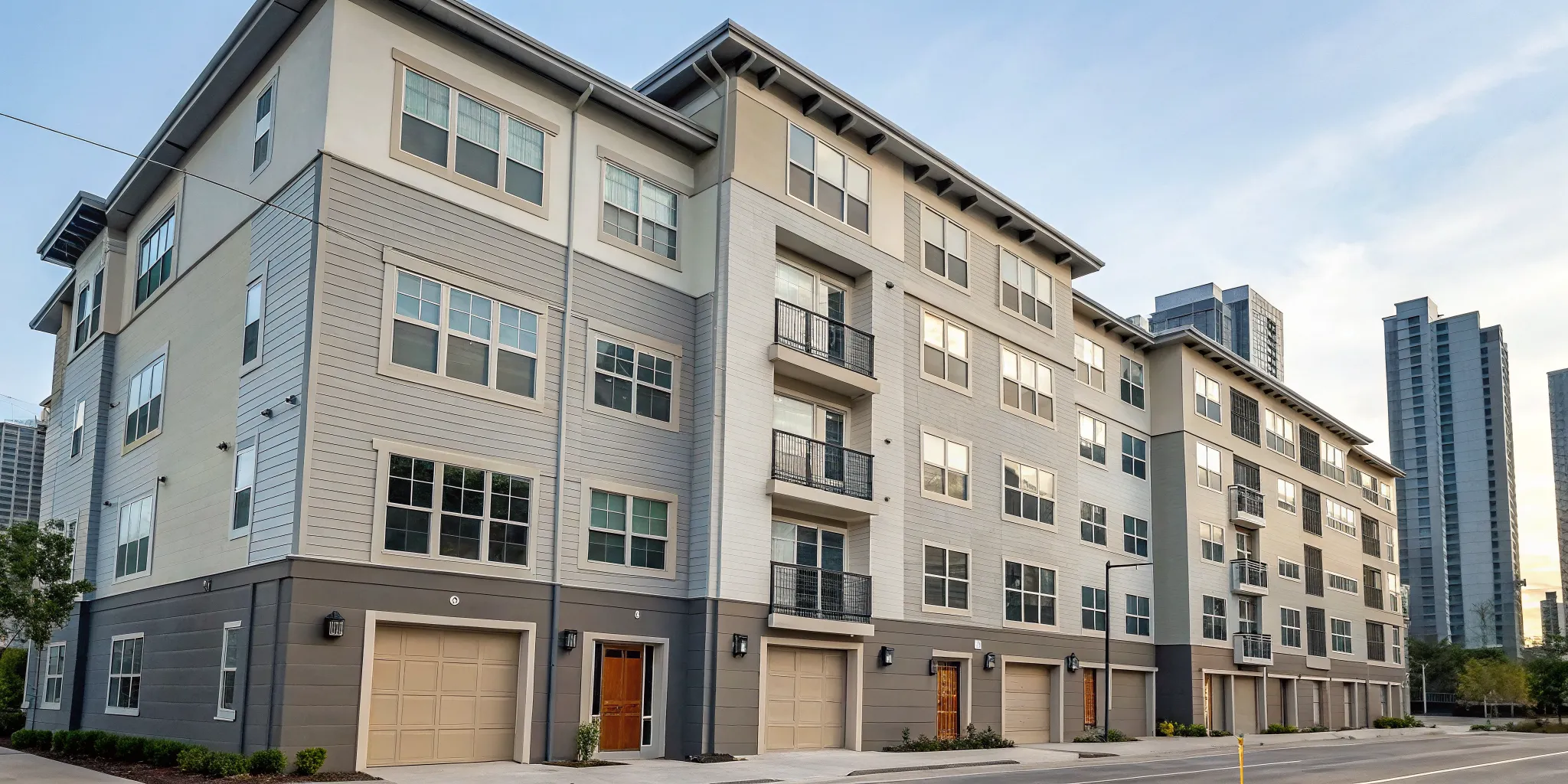
Ever walked down the hallway of an apartment building and noticed how different it feels from another? One might be a long, bustling corridor with a dozen doors, while another is a quiet, short passage with only two. This isn't just a random design choice; it's a detail that profoundly shapes your daily life, influencing everything from your sense of privacy to your connection with neighbors. The question of how many apartments per floor a building has is one of the most important, yet often overlooked, factors when searching for a new home in Los Angeles. It’s a number determined by a complex mix of safety codes, architectural vision, and city planning. Understanding what goes into this calculation gives you a powerful advantage in finding a property that truly fits your lifestyle.
Key Takeaways
- Rules and Blueprints Dictate the Final Count: The number of apartments on a floor isn't arbitrary; it's a direct result of strict local zoning laws, safety codes, and the architect's overall design vision, which must balance unit size with common areas.
- Density Defines Your Lifestyle and Investment: A floor with more units often means more shared amenities and potentially lower costs, while a floor with fewer units typically offers greater privacy and quiet. This trade-off directly influences both your daily living experience and the property's market value.
- Prioritize Quality Design Over a Simple Unit Count: While the number of neighbors is important, look for design features that truly improve daily life. Effective soundproofing, smart layouts that maximize natural light, and private outdoor spaces are key indicators of a quality home.
What Decides How Many Apartments Fit on One Floor?
Ever walked into an apartment building and wondered why one has sprawling hallways with only four doors, while another feels like a bustling hub with ten? The number of apartments per floor isn't random. It’s a carefully calculated result of city rules, architectural creativity, and practical math. Think of it as a puzzle where every piece, from safety regulations to the architect's blueprint, has to fit perfectly. Understanding these factors can give you a huge advantage, whether you're looking for your next home or considering an investment property in Los Angeles.
The Role of Building Codes and Safety Rules
Before a single wall goes up, builders have to follow a strict set of rules known as building codes. These aren't just suggestions; they are laws designed to ensure everyone's safety. The California building standards dictate everything from the number of required fire exits and the width of hallways to structural stability. These standards directly influence how many separate units can safely exist on one floor. For example, rules about emergency egress can limit the distance from an apartment door to a stairwell, which naturally caps the number of units you can string along a hallway. These regulations are in place to protect residents and ensure the building can withstand events like earthquakes, a top priority here in LA.
How Zoning Laws Limit Density
If building codes are the micro-rules, zoning laws are the macro-rules. Each neighborhood in Los Angeles is zoned for a specific type of use and density, which is the city's way of planning how communities grow. Some areas are zoned for single-family homes, while others are designated for high-density apartment buildings. These laws set the upper limit on how many units can be built on a piece of land. Research often shows a direct link between restrictive zoning and a tighter housing supply. When a neighborhood is "upzoned," it means the rules have changed to allow for more construction, which can lead to buildings with more apartments per floor.
The Architect's Vision and Design
Within the boundaries of building codes and zoning laws, the architect gets to be creative. Their vision shapes the living experience. An architect might design a building with fewer, larger units per floor to create a more exclusive, quiet atmosphere. Alternatively, they could opt for a mix of studios and one-bedroom apartments to maximize the number of units and appeal to a different market. The changing typology of urban apartment buildings shows how architects adapt designs to meet modern needs, balancing private living spaces with shared amenities and efficient layouts. Their choices about where to place elevators, common areas, and windows all play a role in the final count.
Understanding Floor Area Ratio (FAR)
Here’s where the math comes in, but I’ll make it simple. Floor Area Ratio, or FAR, is a key zoning tool that controls a building's size relative to its lot. It’s calculated by dividing the building's total floor area by the area of the lot. For example, if a 5,000-square-foot lot has a FAR of 3.0, you can build a building with up to 15,000 square feet of floor space. This Floor Area Ratio gives architects freedom in how they use that space. They could design a shorter building that covers more of the lot or a taller, more slender one. Ultimately, FAR sets the total square footage available, which is then divided up between floors and individual apartments.
What's the Typical Number of Apartments Per Floor?
The number of apartments on a single floor isn't just a random design choice; it’s closely tied to the type of building you're looking at. From sprawling suburban complexes to sleek city towers, the layout and density change dramatically. Understanding these differences can help you narrow down your search for the perfect property, whether you're buying, selling, or investing. Generally, buildings are categorized into three main types: low-rise, mid-rise, and high-rise. Each one offers a distinct living experience and a different approach to how many homes fit on each level. Let's break down what you can typically expect to find in each category, especially here in the diverse landscape of Los Angeles County.
A Look at Low-Rise Buildings
Low-rise buildings are what many people picture when they think of classic "garden apartments." These buildings are usually four stories or less and are a common sight in more suburban parts of LA. Because they don't have elevators, they are designed for easy walk-up access. This smaller scale means you'll find fewer apartments per floor compared to their taller counterparts. The focus is often on creating a more spread-out, community feel. These different apartment property types cater to those who might prefer a quieter setting with more green space, rather than the hustle and bustle of a dense urban core.
Exploring Mid-Rise Setups
Striking a balance between low-rise charm and high-rise convenience, mid-rise buildings typically stand between five and ten stories tall. You'll find these in both city neighborhoods and developed suburban areas. They are large enough to require an elevator and can accommodate more residents, so the number of apartments per floor is higher than in a low-rise. This setup offers a great middle ground, providing more housing options without the overwhelming scale of a skyscraper. Many of the newer developments you see popping up across LA fall into this category, offering modern amenities and a connected lifestyle. You can often find great examples in our active property listings.
Inside a High-Rise Floor
High-rise buildings, defined as having 12 or more stories, are the icons of urban living. Located in the busiest parts of the city, like Downtown LA or Century City, these towers are all about density. A single floor in a high-rise can have a significant number of apartments, with some buildings containing hundreds of units in total. This design makes the most of limited ground space in a packed city. Living in a high-rise building often means incredible views, extensive amenities like gyms and pools, and being right in the center of the action. It’s a trade-off that many city dwellers are happy to make for the convenience and vibrant atmosphere.
How Layout Shapes the Number of Units Per Floor
When you look at a building's blueprint, you're seeing more than just lines on a page. The layout of each floor is a carefully planned puzzle that directly determines how many homes can fit inside. It’s a balancing act between maximizing the number of units and creating a space that people actually want to live in. Everything from the size of the apartments to the width of the hallways plays a part in the final count.
The Impact of Unit Size and Square Footage
It seems obvious, but the size of the apartments is the biggest factor. A floor filled with compact studios will naturally hold more units than one featuring spacious two or three-bedroom homes. Developers have to consider their target market. Are they building for single professionals or for families? Local regulations also set minimums for living space, ensuring every home is habitable. These building and safety codes dictate the smallest legal footprint for a unit, creating a baseline that architects must work from when designing the floor plan.
Making Space for Common Areas
Today’s apartment buildings are about more than just the individual units. Shared spaces like fitness centers, resident lounges, and rooftop decks are huge selling points. While these amenities make a building more attractive to potential buyers or renters, they take up valuable square footage that could have been used for another apartment. Developers must weigh the benefit of adding these valuable community amenities against the potential income from an extra unit. It’s a strategic choice that shapes the building’s entire identity and appeal.
Placing Elevators and Stairs
Elevators and stairwells are the building's backbone, but they also take up a significant chunk of the floor plan. Their placement is one of the first and most important decisions an architect makes. Because they have to align perfectly on every single floor, they create a fixed "core" that the rest of the apartments must be designed around. Safety regulations dictate the number and location of these exits, so there isn't much wiggle room. A poorly placed elevator core can create awkward, hard-to-use spaces, ultimately reducing the number of well-designed units that can fit on the floor.
Designing Hallways for Easy Flow
Hallways are the arteries of a building, but they are also considered "unrentable" space. Every square foot dedicated to a corridor is a square foot that can't be part of an apartment. Architects strive for efficiency, designing layouts that minimize hallway length to maximize living area. However, a long, narrow, and dark hallway can make a building feel cramped and uninviting. The design choice here often reflects the building's price point; luxury buildings might feature wider, brighter hallways as part of the premium experience, even if it means sacrificing a bit of unit space.
More Apartments Per Floor: The Pros and Cons
The number of apartments on your floor is more than just a number; it’s a detail that shapes your entire living experience. Whether you’re stepping out of your door to a quiet, empty hallway or one bustling with neighbors, this single factor influences everything from your sense of privacy to your social life. For buyers and sellers in Los Angeles, understanding the trade-offs is key to finding the right fit or marketing a property effectively. Choosing between a building with many units per floor and one with just a few often comes down to personal priorities. Are you looking for a vibrant community with lots of amenities, or do you prefer a more private, serene environment? Let’s look at the pros and cons of higher-density floors so you can decide what works best for you.
The Upside of Higher Density
Buildings with more apartments per floor often translate to more housing availability, which is a major plus in a competitive market like LA. When zoning allows for a higher Floor Area Ratio (FAR), developers can build more units, which can help meet housing demand. Spreading the high cost of land and construction across more homes can also lead to more accessible price points for buyers. This density supports vibrant, walkable neighborhoods filled with shops, restaurants, and services, creating a dynamic urban lifestyle that many people are looking for in our city’s diverse property listings.
Your Privacy and Noise Levels
On the flip side, sharing your floor with more neighbors can mean sacrificing a bit of peace and privacy. With more people coming and going, hallways are busier and you’re more likely to hear the daily sounds of life through shared walls. For many, a floor with just two or three apartments feels more exclusive and serene. This design gives residents a greater sense of personal space and a quieter living experience. If tranquility is high on your list, paying close attention to the number of units per floor should be a key part of your VIP home search.
How It Affects the Community Vibe
The number of neighbors on your floor can also define the building’s social atmosphere. In smaller buildings with fewer units, it’s often easier to get to know the people you live near. Seeing the same few faces can create a close-knit community where neighbors look out for one another. In contrast, a long hallway with many doors can feel more anonymous, which some people prefer for the privacy it offers. It really comes down to what you’re looking for: the cozy, familiar feel of a small community or the energetic, private feel of a larger one.
Access to Shared Amenities
One of the biggest draws of high-density buildings is the impressive array of shared amenities they can offer. When costs are distributed among many residents, it becomes possible to include features like swimming pools, modern gyms, rooftop lounges, and 24/7 concierge services. These perks can significantly enhance your lifestyle and are a major selling point. A smaller building might not have the budget for these luxuries. For sellers, highlighting these features is a great way to show the value of your property and attract buyers looking for a full-service living experience. You can get a better idea of how amenities affect your home's worth with a free property valuation.
How Local Building Codes Affect the Final Count
When you’re looking at apartment buildings, it’s easy to assume the number of units per floor is just an architect’s choice. In reality, local building codes are the true directors of the show. These aren't just guidelines; they are strict, legally-enforceable rules that dictate nearly every aspect of a building's design, from its foundation to its roof. For developers in Los Angeles County, these codes are the blueprint they must follow, and they have a massive impact on how many apartments can safely and legally fit on a single level. These regulations are designed with one primary goal in mind: safety. They cover everything from the structural integrity of the building to fire safety and accessibility for residents. Because these codes can vary from one city to another, what’s possible in Santa Monica might be different from what’s allowed in Pasadena. Understanding these local nuances is key to evaluating a property's potential, whether you're looking to buy a home or invest in a multi-family building. The final unit count is a direct result of balancing design ambitions with these non-negotiable rules. It's a complex puzzle where every piece, from hallway width to window placement, is defined by a rulebook before the first sketch is even drawn.
Following Occupancy and Safety Rules
At their core, building codes are all about keeping people safe. They set maximum occupancy limits for buildings and individual floors to ensure that in an emergency, like an earthquake or fire, everyone can evacuate quickly and safely. These California Building Standards are not arbitrary; they are carefully developed to protect residents and first responders. These rules directly influence how many apartments can be built per floor. For example, a code might specify the maximum number of people allowed in a certain square footage. This forces developers to think carefully about the size and number of units. A floor plan with ten small studio apartments might house more people than one with four large three-bedroom units, potentially pushing it over the occupancy limit. As a result, developers must design layouts that comply with these safety-first regulations.
The Building's Footprint and Setbacks
Before a single wall goes up, developers are limited by the building's "footprint" and "setback" requirements. The footprint is the total area the building occupies on the ground, while setbacks are the mandatory empty spaces between the building and property lines, streets, or other structures. These rules ensure that buildings don't feel crammed together, allowing for adequate natural light, airflow, and privacy between properties. These restrictions define the maximum buildable area for each floor. If a lot has significant setback requirements, the building's footprint will be smaller, leaving less square footage to work with on every level. This directly reduces the potential number of apartments that can fit. While state laws sometimes place limits on how restrictive local codes can be, cities in LA County still have considerable control over these rules, shaping the density and character of their neighborhoods.
The All-Important Parking Spot Rule
In a city that runs on cars, it’s no surprise that parking rules have a huge say in housing development. Most local codes in Los Angeles County have minimum parking requirements, often mandating one, two, or even more dedicated parking spots per apartment. This rule can be one of the biggest constraints on the number of units a developer can build. If a developer can only construct a garage with 50 parking spaces, they can’t build a 40-unit building where the code requires two spots per unit. This is why you often see large, subterranean parking structures in new developments; they are essential for meeting these requirements. For any building with three or more units, these codes are often as strict as those for commercial properties, making parking a critical piece of the puzzle that can cap the total number of homes in a project.
Ensuring Safe Exits and Fire Safety
Fire safety codes are another non-negotiable factor that shapes a floor plan. Regulations dictate the number, size, and location of emergency exits, stairwells, and hallways to ensure everyone has a clear path out during an emergency. A floor with more apartments often requires more or wider stairwells to handle a higher number of evacuating residents. These essential safety features take up valuable space. A large fire-rated stairwell can occupy an area that could have otherwise been a small studio or part of a larger apartment. Furthermore, codes mandate features like sprinkler systems and fire-resistant construction materials. While the apartment industry supports cost-effective safety standards, these necessary elements add to the complexity and cost of a project, influencing the final design and the number of units that are feasible to build.
Which Design Features Make Life Better?
When you’re looking for the perfect apartment, the number of units per floor is a good starting point, but it doesn't tell the whole story. The real magic is in the design details that transform a simple unit into a place you love to call home. Thoughtful architecture can make even a high-density building feel private and spacious. It’s about more than just square footage; it’s about how the space makes you feel. Features like effective soundproofing, abundant natural light, private outdoor areas, and smart layouts are what truly define a quality living experience. These elements not only improve your day-to-day life but also play a significant role in a property's long-term value. If you're thinking of buying, paying attention to these details can help you find a home that will bring you comfort for years to come. For sellers, highlighting these premium features can make your property stand out in a competitive market. Let's look at the specific designs that make the biggest difference.
Keeping Things Quiet with Soundproofing
Nothing disrupts peace at home quite like hearing your neighbors' every move. That’s why soundproofing is one of the most critical, yet often overlooked, features of a well-designed apartment building. For many residents, a quiet environment is even more important than the number of units on their floor. Quality construction that includes sound-dampening materials between walls, floors, and ceilings can make a world of difference. When you’re touring a property, pay attention to how much you can hear from the hallway or adjacent units. A quiet building is a sign of quality construction and is a feature that adds lasting value and comfort to your home.
Maximizing Natural Light and Airflow
A home filled with natural light and fresh air just feels better. The layout of a floor plays a huge role in this. Buildings with fewer apartments per floor, especially corner units, often have more windows on multiple sides. This design not only brightens the space but also allows for better cross-ventilation, which can help keep your home cool and reduce energy costs. When searching for a new home, look for layouts that prioritize window placement and airflow. It’s a feature that enhances your well-being and makes any space feel more open and inviting. This is a key detail we always look for when helping clients with their VIP home search.
The Value of Balconies and Outdoor Space
In a beautiful climate like ours in Los Angeles, having your own private outdoor space is a game-changer. A balcony, patio, or terrace extends your living area and gives you a personal spot to relax, entertain, or enjoy your morning coffee. This feature does more than just add square footage; it enhances your quality of life. Properties with private outdoor spaces are highly sought after and tend to hold their value well. As one design expert notes, having fewer neighbors on the same floor often means each home feels bigger, making the property feel more special and valuable. You can see great examples of this in our current property listings.
Creating Space with Open Floor Plans
An open floor plan can make even a compact apartment feel spacious and airy. By combining the kitchen, living, and dining areas into one cohesive space, this design removes visual barriers and improves the flow of your home. It’s perfect for modern living, allowing you to cook and entertain without feeling closed off from your guests. Architects are increasingly using smart layouts and greater building depth to create this sense of openness, regardless of the number of units per floor. This design choice is not just a trend; it’s a functional feature that maximizes usable space and adds significant appeal for both buyers and renters.
How Do Zoning Rules Change Across LA?
If you’ve ever wondered why one LA neighborhood is full of single-family homes while another is packed with high-rise apartments, the answer is zoning. Los Angeles isn't governed by a single set of rules; instead, it's a complex patchwork of local regulations that dictate what can be built where. These laws control everything from building height to the number of units allowed on a property. Understanding these local nuances is key, whether you're looking to buy a condo or invest in a multi-family building.
Why Density Varies by Neighborhood
Zoning is the city's tool for shaping a neighborhood's character. Some areas are intentionally zoned for lower density to preserve a suburban feel, while others are zoned for higher density to accommodate more people and create urban hubs. Many city planners believe that easing land-use regulations can encourage more construction, which may help with housing costs. Research often shows a strong connection between restrictive zoning and a smaller housing supply, which can lead to higher property values. This is why you see such a dramatic difference in development from one part of the county to the next.
A Closer Look at LA County Rules
When you get into the details, you find that LA County's zoning laws directly impact how many apartments can be built. More restrictive zones simply allow for fewer units on a given piece of land. To measure this, experts sometimes use a Zoning Restrictiveness Index, which scores how local laws limit housing density. These zoning regulations are the invisible blueprints that determine whether a developer can build a duplex or a 50-unit complex, directly influencing the housing options available in a community.
How Building Height Limits Play a Role
Building height is often controlled by a concept called Floor Area Ratio, or FAR. FAR determines the total floor area you can build based on the size of your lot. For example, if a zoning district has an FAR of 4.0 and your lot is 3,000 square feet, you can build a structure with up to 12,000 square feet of total floor area. This gives architects a lot of design freedom. They can choose to build a shorter, wider building that covers more of the lot or a taller, slimmer one. Understanding a property's Floor Area Ratio is essential for figuring out its true development potential.
Does the Number of Units Per Floor Affect Property Value?
When you're buying or selling a property, the number of units per floor might seem like a minor detail, but it has a real impact on value. This number influences everything from a resident's daily experience to an investor's long-term returns. Whether you're looking for a quiet retreat or a bustling community, understanding how unit density affects a building's worth is key to making a smart real estate decision in Los Angeles.
What Buyers and the Market Prefer
Generally, the market sees fewer units per floor as a luxury. A floor with only two or three apartments offers more privacy, less noise, and a greater sense of exclusivity. This design often translates to a better living experience, which is a major selling point for many homebuyers. Some people simply prefer smaller, quieter buildings where it’s easier to build a sense of community with neighbors. If you’re looking for a property with specific features like this, using a VIP home search can help you narrow down the options to find exactly what you want. Ultimately, buyer preference leans toward quality of life, and a less crowded floor plan is a big part of that equation.
How It Influences Rental Income
For investors, the math can look a little different. A higher number of units per floor often means more rental income and increased cash flow for the building owner. A high-rise with many apartments can be a powerful income-generating asset. However, it's not just about quantity. Apartments on higher floors, for example, often have premium features like better views and can command higher rents. This means that while density can drive overall revenue, the specific placement and quality of individual units also play a significant role in maximizing rental income. If you own a multi-unit property, getting a clear picture of its potential earnings is the first step to a solid investment strategy. You can start by finding out what your building is worth.
Thinking About Long-Term Investment Value
So, what’s the better long-term investment? It depends on your goals. While a building with fewer units per floor might have a higher initial cost, the long-term benefits for residents can lead to higher appreciation over time. These properties often attract stable, long-term tenants and buyers who are willing to pay a premium for comfort and privacy. On the other hand, investors focused on cash flow might find that high-density buildings in areas with strong rental demand maintain their value exceptionally well. The key is to look at properties in desirable neighborhoods where demand is consistently high. Exploring current real estate listings can give you a feel for how different property types perform across LA County.
Related Articles
- 5 Steps to Buy an Apartment Complex for Sale
- 5 Steps to Buy an Apartment Complex for Sale
- How to Buy Multifamily Properties in LA: A Guide
Frequently Asked Questions
Is it better to live in a building with more or fewer apartments on my floor? This really comes down to your personal preference and lifestyle. A floor with more apartments often means the building can support better amenities, like a gym or pool, and may offer a more accessible price point. On the other hand, a floor with just a few neighbors provides a quieter, more private living experience that many people find luxurious. Think about what matters more to you: a vibrant community with lots of perks or a serene and exclusive atmosphere. Why can't developers just build as many apartments as they want on a piece of land? Every property in Los Angeles is governed by a set of rules before any construction begins. First, city zoning laws dictate the overall density allowed in a neighborhood, setting a cap on how many homes can be built. Then, specific building codes come into play, requiring things like a minimum number of parking spots per unit, specific fire exit placements, and mandatory setbacks from the property line. These safety and planning regulations use up space and directly limit the final unit count. If I'm buying a condo, does the number of units per floor really affect its resale value? Yes, it definitely can. Properties on floors with fewer units often have a higher perceived value because they offer more privacy and quiet, which is a huge selling point for many buyers. This can lead to stronger appreciation over time. However, a unit in a high-density building with incredible views and top-tier amenities in a sought-after neighborhood will also be a very strong investment. The key is how the unit count contributes to the overall quality of life the property offers. Besides the number of units, what design features should I really pay attention to? Look for the details that affect your daily comfort. Pay attention to soundproofing; a quiet unit is a sign of quality construction. Notice how much natural light the space gets and if the layout allows for good airflow. An open, functional floor plan can make a smaller space feel much larger. These are the features that truly shape your living experience long after you move in. How can I find out the specific zoning rules for a property I'm interested in? Zoning information is technically public record, but it can be full of complex codes that are difficult to understand. The most effective way to get clear answers is to work with a real estate professional who is an expert in the local market. We can look up the specific zoning for a property and explain exactly what it means for you as a buyer or investor, saving you time and preventing any surprises down the road.
By: Cameron Samimi
Author Bio: As one of the top producers in Los Angeles County for apartment buildings and recognized as one of the most respected real estate advisors, Cameron brings a wealth of information to the table to help his clients with real estate taxes, valuations, and maximizing returns. Cameron is our top agent here at Lyon Stahl and has led the fastest-growing real estate career we have ever seen at our company. The Los Angeles Business Journal recently recognized Cameron these past two years by nominating him for “Broker of the Year.” During his time at Lyon Stahl, he has received several awards including Top Producer (’18,’19,’20,’21,’22,’23) and High Velocity (’18,’19,’21,’22,’23) among others, and stands alone as our only agent to reach the Senior Vice President level with the company. It is hard to find a broker that is more trusted than Cameron. His ability to navigate new laws and market opportunities has helped him set market records for sales prices time and time again for his clients and bring them well above market returns. Cameron is an expert on 1031 Exchange Strategies, Real Estate Taxes, Apartment Flips, Underwriting and Valuations, and can help you or your clients maximize your real estate returns.
Check out this article next