


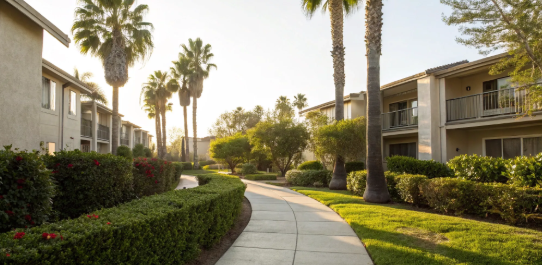
The idea of buying an apartment building can feel overwhelming. The numbers are bigger, the stakes are higher, and the process seems far more complicated than buying a house. But it doesn't have to be an intimidating mystery. With the right approach, purchasing your first multifamily property is a completely achievable goal. This guide breaks down the entire process into clear, manageable steps. We’ll show you exactly what to look for when you find an apartment complex for sale, how to properly analyze the financials, and what common mistakes to avoid, turning a complex undertaking into a straightforward and successful investment.
Key Takeaways
- Analyze the Numbers, Not Just the Property: A successful investment hinges on a deep dive into the building's financial history. Scrutinize operating expenses, verify occupancy rates, and understand local market rents to accurately project your cash flow and avoid costly surprises.
- Choose a Property Type That Fits Your Goals: The kind of complex you buy—from student housing to mixed-use developments—defines your entire strategy. Select a property type that aligns with your desired tenant base, management style, and long-term financial objectives.
- Leverage a Professional Network to Find Better Deals: The most profitable opportunities are often off-market and found through relationships. Working with a specialized multifamily broker gives you access to deals you won't find online and provides the expert guidance needed to close them successfully.
What Types of Apartment Complexes Can You Buy?
When you decide to invest in multifamily real estate, you’ll find that "apartment complex" isn't a one-size-fits-all term. The type of property you choose will shape your investment strategy, tenant base, and day-to-day management. From sprawling suburban communities to high-rise urban buildings, understanding the different categories is the first step toward finding the right fit for your portfolio. Let's look at some of the most common types of apartment complexes you can find here in LA County.
Traditional Apartment Buildings
This is what most people picture when they think of an apartment complex. These properties can range from low-rise garden-style buildings in suburban areas to mid-rise and high-rise towers in dense urban centers like Downtown LA. They are a popular entry point for investors because their model is straightforward: you rent units to tenants at market rates. Websites like Apartmentbuildings.com are a great resource, as they help people find different kinds of investment properties. The primary goal is to maintain high occupancy and generate consistent cash flow, making them a foundational asset in many real estate portfolios.
Affordable Housing
Affordable housing complexes offer rentals to low-income individuals and families, often with rents subsidized by government programs. Investing in this sector can provide a steady stream of income and lower vacancy rates, as demand for affordable options in LA County is consistently high. However, it comes with more regulations and rent restrictions than traditional apartments. It's also a sector where development can be challenging. According to one report, affordable housing projects have been hit especially hard by rising construction costs, often needing more funding than what's available. This makes acquiring existing properties an attractive alternative.
Student Housing
With so many colleges and universities in the LA area, student housing is a significant market niche. These properties are located near campuses and are designed specifically for students, often featuring amenities like study lounges, high-speed internet, and sometimes furnished units. The lease structure is also unique, typically following the academic calendar with individual leases per bedroom. If you’re interested in targeting students in your apartment marketing, your complex should also be near nightlife and shops. While you can expect high annual turnover, you can also command premium rents during the school year.
Senior Living Communities
As the population ages, demand for senior housing continues to grow. This category includes everything from independent living communities for active adults to assisted living facilities that offer more comprehensive care. These properties are designed with the needs of older adults in mind, featuring accessibility, social activities, and convenient access to healthcare. Senior housing is one of the types of properties you can find that caters specifically to this demographic. Investing in senior living requires a deeper understanding of the operational side, including staffing and healthcare regulations, but it can be a rewarding and stable long-term investment.
Mixed-Use Developments
Mixed-use developments are becoming increasingly popular in urban areas, combining residential apartments with commercial, retail, or office spaces in a single property or complex. For example, you might find a building with apartments on the upper floors and restaurants or shops at street level. This model creates a vibrant, walkable community for residents and diversifies your income streams as a property owner. You aren't solely reliant on residential rent; you also collect revenue from commercial tenants. This synergy can make the property more resilient to market fluctuations and more attractive to tenants who value convenience.
Key Factors to Analyze When Buying an Apartment Complex
Buying an apartment complex is a major investment, and a successful purchase hinges on careful analysis. Before you even think about making an offer, you need to dig into the details of the property and its market. Looking at these key factors will give you a clear picture of the opportunity and help you make a smart, informed decision. It’s about moving beyond the listing photos and understanding the real story behind the numbers.
Evaluate the Location and Neighborhood
You’ve heard it a million times: location, location, location. It’s a cliché for a reason. The neighborhood a complex is in will directly impact your vacancy rates, the quality of tenants you attract, and your property's future appreciation. Don’t just rely on online maps. As real estate experts suggest, you should be "[driving] around the real estate market, looking for the best neighborhoods." Check out the proximity to highways, public transit, schools, parks, and shopping. Look for signs of growth, like new construction, or signs of decline, like vacant storefronts. Exploring our current listings can give you a great feel for the diverse neighborhoods across LA County and what they offer.
Assess Market Demand and Rental Rates
A great building in a weak market is a tough investment. You want to buy in an area where people are actively looking for apartments. A healthy market is one with "increasing apartment occupancy rates and increasing apartment rental rates over at least the previous five years." Look at the local job market, population growth, and the average income. Are major employers moving in or out? Research comparable properties in the area to see what they’re charging for rent. If the building you’re considering has rents below market rate, that could be an opportunity to add value. If they’re already at the top, you’ll have less room to grow your income.
Inspect the Property's Condition
A property’s physical condition is one of the biggest variables in your investment. Deferred maintenance can quickly eat up your profits. You need to hire a professional inspector to thoroughly check the building's structure, roof, plumbing, electrical systems, and HVAC units. Get a clear understanding of any immediate repairs and the age of major systems so you can budget for future replacements. Underestimating these costs is a common pitfall. Many first-time investors make the mistake of thinking they can manage everything themselves, but a professional assessment is crucial for accurately projecting your expenses and avoiding expensive surprises down the road.
Review Occupancy Rates and Tenant Quality
A building’s occupancy rate tells you how much income it’s currently generating. Ask for the rent roll, which details each unit, the tenant’s name, their rent, and their lease end date. A high occupancy rate is a good sign, but you also need to assess tenant quality. Are tenants paying on time? A history of late payments or evictions is a red flag. Review a few of the current lease agreements to understand the terms. Strong multifamily market research includes understanding who your tenants are and how stable their tenancy is, as this directly impacts your cash flow consistency.
Examine Financials and Operating Expenses
Finally, it’s time to crunch the numbers. The seller should provide detailed financial statements, including a profit and loss (P&L) statement, for the last two to three years. It's essential to "analyz[e] historical financials and conduct a detailed expense analysis." Don't just take the seller's numbers at face value. Verify expenses like property taxes, insurance, utilities, and management fees. Ask for copies of actual bills. If you’re wondering what a building’s potential value is, our team can help you determine what your building is worth based on its financial performance and market conditions. This analysis will help you create a realistic budget and forecast your potential return.
How to Finance Your Apartment Complex Purchase
Securing the right financing is one of the most critical steps in buying an apartment complex. Unlike buying a single-family home, financing a multifamily property involves commercial loans, which come with their own set of rules and requirements. Getting your financial strategy in order early will make the entire process smoother and set you up for a successful investment. Let’s walk through the key financial components you’ll need to address.
Purchase Price and Associated Costs
The sticker price of the apartment complex is just the starting point. You’ll need to budget for a variety of other expenses to get the deal done. These are often called closing costs and can include appraisal fees, loan origination fees, title insurance, and legal costs. It’s also smart to set aside funds for immediate repairs or updates the property might need right after you take over. Thinking through these associated costs upfront helps you understand the total capital required and prevents any last-minute surprises. Planning for these expenses is a core part of the buying process.
Down Payment and Qualification Criteria
When you’re financing an apartment complex, you’ll be applying for a commercial loan, not a residential one. This means the requirements are different. Lenders typically want to see a larger down payment, often in the range of 25% to 35% of the purchase price. They’ll also look closely at your financial standing, including your credit history, net worth, and liquid assets. Many lenders also want to see that you have some experience in real estate or property management. They’re not just investing in the property; they’re investing in your ability to manage it successfully.
Conventional vs. Government-Backed Loans
You have several paths you can take for financing. Conventional loans from banks and credit unions are a common choice, but they aren't your only option. Government-sponsored enterprises like Fannie Mae and Freddie Mac also offer loans specifically for multifamily properties. These loans often come with competitive interest rates and longer terms, but they can have stricter qualification criteria, especially regarding the property's condition and occupancy rates. Exploring both conventional and government-backed options will help you find the loan that best fits your specific deal and financial situation.
Bridge Loans and CMBS Financing
If you’re looking at a property that needs significant renovations—a "value-add" opportunity—a traditional loan might not be the right fit. This is where a bridge loan can be useful. It’s a short-term loan that covers the purchase and renovation costs, giving you time to improve the property and stabilize its income. Once the property is updated and fully leased, you can refinance into a long-term loan. Another option is CMBS (Commercial Mortgage-Backed Securities) financing, which bundles your loan with others and sells it to investors. These loans often have fixed rates but can be less flexible than other types.
Calculate Your Potential Return on Investment
Before you commit, you need to run the numbers to see if the investment makes sense. A key metric is the Net Operating Income (NOI), which is all the income the property generates (mostly rent) minus all its operating expenses (like taxes, insurance, and maintenance). Don’t include your loan payments in this calculation. Once you have the NOI, you can determine the property’s value and potential return. Understanding these figures is essential for making a smart investment decision and is the first step in figuring out what a building is worth.
How to Avoid Common Investment Mistakes
Buying an apartment complex is a major financial move, and while the potential rewards are significant, so are the risks. Many first-time investors stumble over the same preventable hurdles. The good news is that you can sidestep these issues with a bit of foresight and preparation. It’s not about having a crystal ball; it’s about being methodical and realistic from the start.
Thinking like a seasoned investor means looking beyond the sticker price and potential rental income. You need to consider the hidden costs, the legal landscape, and the day-to-day realities of managing a large property. It’s easy to get swept up in the excitement of a deal, but the most successful investors are the ones who remain disciplined and do their homework. By understanding the common pitfalls, you can create a solid strategy that protects your investment and sets you up for long-term success in the LA County market.
Conduct Thorough Due Diligence
Think of due diligence as your investigation phase—it’s where you verify every claim and uncover any potential problems before you sign on the dotted line. This isn't the time to cut corners. A thorough process involves digging into the property’s history, ordering a professional inspection to assess its physical condition, and analyzing the surrounding market trends. Are there new developments planned nearby? What are the local vacancy rates? Answering these questions helps you make an informed decision and avoid costly surprises down the road. A few weeks of careful research can save you from years of financial headaches.
Account for All Operational Costs
It’s a classic mistake: focusing so much on the gross rental income that you forget about the actual costs of running the building. Your property's profitability depends on its net operating income (NOI), which is your revenue minus expenses. These expenses go far beyond the mortgage and include property taxes, insurance, maintenance, repairs, landscaping, utilities, and property management fees. A detailed expense analysis is crucial. Go through the seller’s financial records with a fine-toothed comb and create your own realistic budget. If you're unsure where to start, our team can help you understand what a property is truly worth by evaluating its financials.
Build a Healthy Financial Reserve
Even the most well-maintained building will have unexpected expenses. A water heater will eventually break, a roof will need repairs, or you might face a period of higher-than-usual vacancies. Taking on too much debt without a safety net can put your entire investment at risk. That’s why building a healthy financial reserve is so important. Most experts recommend setting aside at least 5% of the property's value or six months of operating expenses in a separate account. This cash cushion ensures you can handle any surprises without derailing your finances or going into further debt.
Prepare for Legal and Regulatory Hurdles
Real estate in Los Angeles County is governed by a complex web of local and state regulations. From zoning laws and building codes to specific tenant-landlord regulations like rent control, there’s a lot to know. Overlooking these legal requirements can lead to hefty fines, legal disputes, and operational nightmares. Before you buy, make sure you understand all the local laws that apply to your potential property. This includes eviction procedures, safety regulations, and fair housing laws. Being proactive about compliance is essential for a smooth and successful investment.
Partner with Experienced Professionals
Trying to manage your first apartment building all by yourself is a recipe for burnout. Assembling a team of experienced professionals is one of the smartest moves you can make. This team should include a real estate agent who specializes in multifamily properties, a real estate attorney, a knowledgeable lender, and a reliable property manager. These experts provide invaluable insights and handle the complex details, freeing you up to focus on the big picture. When you’re ready to build your team, getting in touch with us is a great first step toward ensuring your investment is in capable hands.
Where to Find Apartment Complexes for Sale in LA County
Finding the right apartment complex in a market as dynamic as Los Angeles County means looking in more than one place. The best opportunities aren't always advertised on a giant billboard. A successful search combines online research with the power of professional networks and deep local knowledge. By exploring public listings, working with experts, and tapping into the local investor community, you can uncover properties that align perfectly with your goals. Here’s a breakdown of where to start your search.
Online Platforms and MLS Listings
Your first stop will likely be online. Websites like Zillow and LoopNet are great for getting a sense of what’s available and at what price point. These platforms pull data from the Multiple Listing Service (MLS), which is the comprehensive database real estate agents use to share property information. You can browse current active property listings and use filters to narrow your search by neighborhood, price, and number of units. While these sites offer a fantastic overview of the market, keep in mind that they only show publicly listed properties. The most competitive deals are often found before they ever make it online.
Work with a Specialized Multifamily Broker
Working with a real estate broker who specializes in multifamily properties is one of the smartest moves you can make. A specialized broker does more than just send you listings; they offer invaluable market insight and access to a wider range of opportunities. They often hear about properties before they hit the market and have relationships with other agents, owners, and investors. Platforms like Apartmentbuildings.com are also excellent resources, but a dedicated broker can provide personalized guidance through every step, from initial search to closing the deal. An expert partner can help you get in touch with the right people and find properties that you wouldn't discover on your own.
Find Off-Market Deals Through Networking
Some of the best investment opportunities are "off-market," meaning they aren't publicly advertised for sale. To find these hidden gems, you need to build a strong network. Start connecting with other local real estate investors, property managers, contractors, and attorneys in LA County. Attend local real estate meetups and join online forums to build relationships. When a property owner decides to sell quietly to avoid the hassle of a public listing, they’ll often turn to their trusted network first. By becoming a known and reliable buyer in the community, you can position yourself to be one of the first people they call.
Tap into Local Market Resources
A deep understanding of the local market is crucial for making a smart investment. Before you buy, you need to perform a detailed real estate market analysis of the specific neighborhoods you’re targeting. Look into local economic indicators, population growth, zoning regulations, and future development plans. Local real estate investment associations (REIAs) are fantastic resources for gaining insights and connecting with seasoned investors. This groundwork helps you identify submarkets with strong demand and growth potential, ensuring your investment is built on a solid foundation. A VIP home search tool can also help you get curated listings based on hyper-local data.
Related Articles
- Multifamily - Samimi Investments
- 4059 McLaughlin Ave Los Angeles - Samimi Investments
- 2709 Pico Blvd, Los Angeles - Samimi Investments
Frequently Asked Questions
What's the most important first step if I'm serious about buying an apartment complex? Before you even start looking at listings, the first step is to get your financial house in order and define your goals. This means understanding exactly how much capital you can access for a down payment and reserves, and getting pre-approved for a commercial loan. At the same time, you should clarify what you're looking for in an investment. Are you seeking stable, long-term cash flow, or are you interested in a property you can renovate and improve? Knowing your financial capacity and investment strategy from the start will make your search much more focused and effective.
How much money do I actually need to buy an apartment building? The purchase price is only part of the equation. For a commercial loan, you should plan for a down payment of around 25% to 35% of the price. Beyond that, you'll need cash for closing costs, which can include appraisal fees, legal costs, and loan origination fees. It's also critical to have a healthy reserve fund set aside. This isn't just extra cash; it's your safety net for unexpected repairs, vacancies, or other immediate needs after you take ownership. A well-funded reserve protects your investment from day one.
Is it better to buy a turnkey property or one that needs renovations? This really comes down to your personal strategy and experience level. A turnkey property that is fully occupied and well-maintained can provide immediate cash flow with less initial effort. However, a "value-add" property that needs renovations often presents a greater opportunity to increase its value and rental income over time. If you have the capital, time, and experience for a renovation project, it can lead to a higher return. If you prefer a more passive investment, a stable, turnkey building might be a better fit.
Can I manage the property myself to save money? While managing a property yourself can seem like a great way to cut costs, it's a significant commitment that many new investors underestimate. Being a landlord involves marketing vacant units, screening tenants, handling maintenance requests at all hours, and navigating LA County's complex landlord-tenant laws. A professional property manager handles all of this for you, which can lead to lower vacancy rates and better tenant retention. For many investors, the cost of a good manager is well worth the time and peace of mind it provides.
Why is working with a specialized multifamily broker so important? A broker who specializes in apartment buildings brings a level of expertise that a general residential agent simply doesn't have. They understand the intricacies of commercial financing, property valuation based on net operating income, and the specific market trends for multifamily properties in different LA neighborhoods. More importantly, they often have access to off-market deals and a network of contacts that you won't find on public listing sites. This inside knowledge can be the key to finding a truly great investment opportunity.
By: Cameron Samimi
Author Bio: As one of the top producers in Los Angeles County for apartment buildings and recognized as one of the most respected real estate advisors, Cameron brings a wealth of information to the table to help his clients with real estate taxes, valuations, and maximizing returns. Cameron is our top agent here at Lyon Stahl and has led the fastest-growing real estate career we have ever seen at our company. The Los Angeles Business Journal recently recognized Cameron these past two years by nominating him for “Broker of the Year.” During his time at Lyon Stahl, he has received several awards including Top Producer (’18,’19,’20,’21,’22,’23) and High Velocity (’18,’19,’21,’22,’23) among others, and stands alone as our only agent to reach the Senior Vice President level with the company. It is hard to find a broker that is more trusted than Cameron. His ability to navigate new laws and market opportunities has helped him set market records for sales prices time and time again for his clients and bring them well above market returns. Cameron is an expert on 1031 Exchange Strategies, Real Estate Taxes, Apartment Flips, Underwriting and Valuations, and can help you or your clients maximize your real estate returns.
Check out this article next