


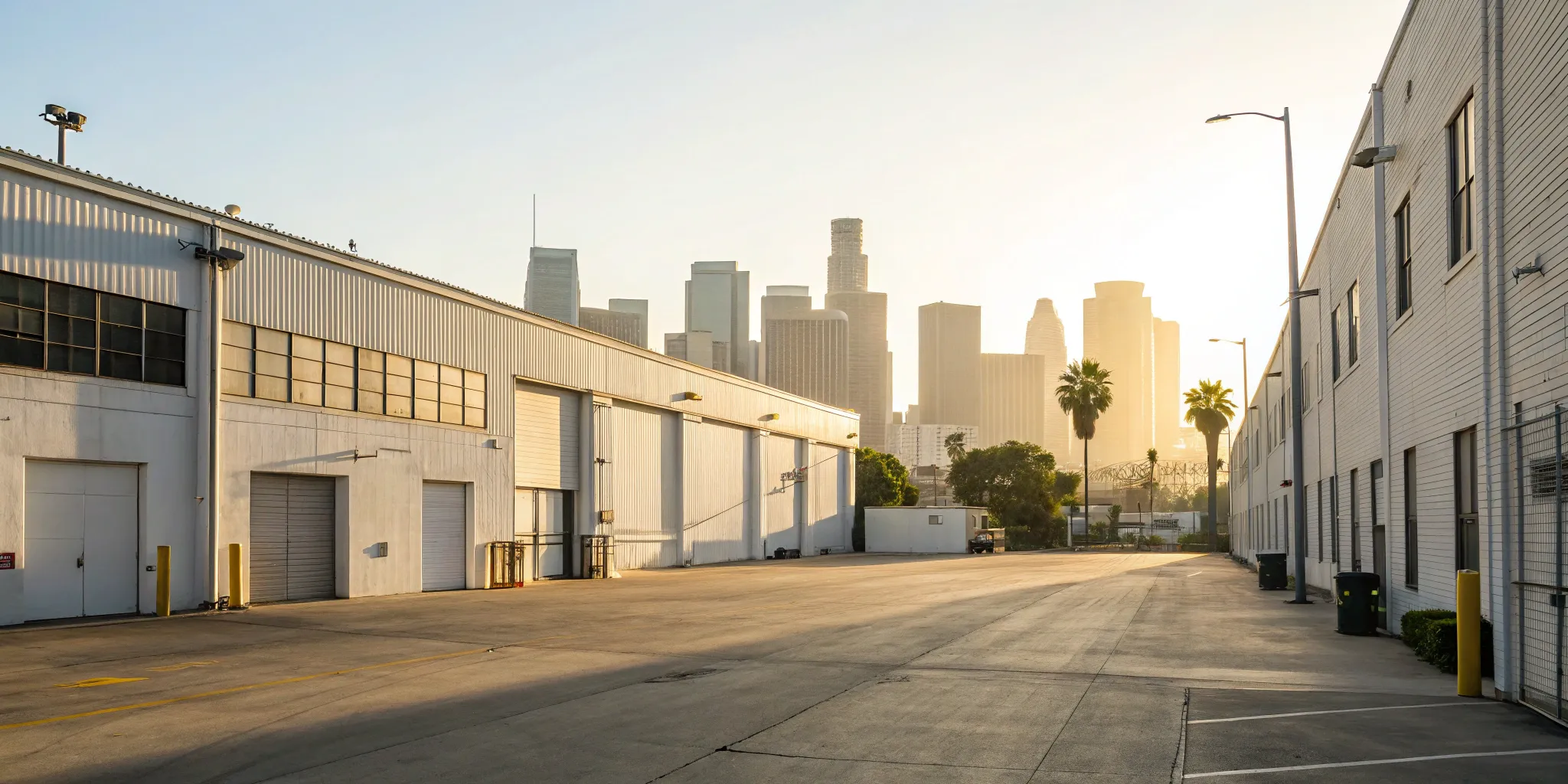
An industrial property is more than just a building; it’s the central hub of your operations. The right space can streamline your supply chain, support your production goals, and provide a solid foundation for growth. The wrong one can create logistical nightmares and hidden expenses that drain your resources. That’s why evaluating commercial industrial real estate for sale requires a specific lens focused on function. You need to think about truck access, ceiling height, power capacity, and zoning regulations. This article will teach you how to assess these critical features, ensuring you choose a property that works as hard as you do from day one.
Key Takeaways
- Focus on Business Needs, Not Curb Appeal: An industrial property is a business tool. Prioritize functional features like clear height, loading dock access, power capacity, and correct zoning to ensure the space supports your operations and long-term growth.
- Investigate Before You Invest: Your due diligence period is crucial. Go beyond a standard inspection by conducting environmental assessments, verifying all financial records, and confirming that local zoning laws permit your specific business activities.
- Build Your Professional Support Team: Successfully purchasing an industrial property is a team effort. Partner with a commercial real estate broker, a real estate attorney, and a specialized lender to handle the complexities and protect your interests throughout the transaction.
What Is Commercial Industrial Real Estate?
When you think of commercial real estate, your mind might jump to shiny office towers or bustling retail storefronts. But there’s a massive, essential category that works behind the scenes: industrial real estate. These are the workhorse properties of our economy. Commercial industrial real estate refers to properties used for industrial purposes, like manufacturing, warehousing, and distribution. Think of them as the operational hubs that allow businesses to create, store, and ship the products we use every day.
From a local artisan’s workshop to a massive e-commerce fulfillment center, these properties are all about function. They provide the critical space businesses need for production, storage, and logistics. As a buyer, you’re not just purchasing a building; you’re investing in a vital piece of the supply chain. Understanding this unique role is the first step to making a smart purchase in a market as dynamic as Los Angeles County. These properties are less about curb appeal and more about operational efficiency, which requires a different mindset than buying other types of real estate.
Types of Industrial Properties
Industrial properties aren't a one-size-fits-all deal. The types of industrial properties are incredibly diverse, with each designed to meet specific business needs. The most common categories you’ll encounter include warehouses and distribution centers, which are built for storing and moving goods efficiently. You'll also find manufacturing facilities, which are set up for production lines and heavy machinery. Then there are flex spaces—versatile buildings that can combine office, showroom, and warehouse space under one roof—and specialized research and development (R&D) facilities. Knowing the difference helps you narrow your search to properties that truly fit your operational goals.
How It Differs from Other Commercial Real Estate
So what really sets industrial properties apart from their retail or office counterparts? It all comes down to function over form. While an office building is designed for people and collaboration, an industrial property is designed for processes and products. Industrial buildings are primarily focused on production and logistics, which means they have specific features you won’t find elsewhere. Instead of a fancy lobby, you’ll be looking for high ceilings to accommodate tall shelving, multiple loading docks for trucks, and reinforced floors that can handle heavy equipment. Proximity to major transportation networks like highways, ports, and airports is also far more critical than foot traffic.
What Kinds of Industrial Properties Are For Sale?
When you start looking for an industrial property, you’ll quickly realize it’s not a one-size-fits-all market. The term "industrial" covers a wide range of buildings, each designed for a specific purpose. Understanding these categories will help you narrow your search and focus on the properties that truly fit your business operations. Whether you're in logistics, manufacturing, or need a versatile space that can do a bit of everything, there’s a type of industrial property that’s right for you. Let's walk through the main types you'll find in the Los Angeles area so you can identify exactly what you're looking for.
Warehouses and Distribution Centers
These are the workhorses of the industrial world, built for storage and logistics. Warehouses and distribution centers are all about moving goods efficiently. When you tour these properties, you’ll hear a lot about features like clear height (the usable vertical space), the number of dock-high doors, and truck court size. As e-commerce continues to grow, properties with efficient layouts and readiness for automation are in high demand. If your business is focused on inventory management and order fulfillment, this is the category you’ll want to explore in our industrial property listings. This is where you'll find the large, open spaces needed to scale your operations.
Manufacturing Facilities
Manufacturing facilities are where products are made, assembled, or processed. Unlike a simple storage warehouse, these buildings require specialized infrastructure like heavy-duty power, advanced ventilation systems, and specific floor drains. The demand for well-located, production-ready industrial space is growing fast, and LA County is no exception. Finding a building that’s already equipped for production can save you significant time and money on retrofitting. When evaluating these properties, think about your specific production line and what it needs to run smoothly from day one. It's crucial to match the building's capabilities to your operational needs.
Mixed-Use Industrial Properties
This is an exciting and relatively new category where industrial space meets other uses, like creative offices, retail storefronts, or even residential lofts. In dense urban areas, developers are transforming older industrial buildings into vibrant mixed-use projects. This can be a fantastic opportunity for businesses that want an industrial component—like a workshop or small-batch production area—but also need a public-facing showroom or office space. These properties offer a unique character and can place your business in a dynamic, high-traffic environment, blending functionality with modern appeal.
Flex Spaces and Light Industrial Buildings
If you need a property that can wear multiple hats, a flex space might be the perfect solution. These versatile buildings typically combine office, showroom, and warehouse space under one roof. They are ideal for businesses that need a customer-facing area alongside light assembly, storage, or R&D operations. When you look at flex or light industrial buildings, it’s important to evaluate the building’s size and layout to ensure it supports all facets of your business efficiently. Their adaptability makes them a popular choice for a wide range of companies looking for a single, consolidated location.
Key Market Trends Every Buyer Should Know
The industrial real estate market is constantly shifting, influenced by everything from global supply chains to local economic growth. Staying on top of these changes is key to making a smart investment. When you understand the forces shaping the market, you can better identify opportunities and position yourself for success. Here are the four major trends you should have on your radar right now.
High Demand and Low Inventory
It’s a classic case of supply and demand. The need for industrial properties, especially those near major ports like the ones in Southern California, continues to be incredibly strong. This high demand is driven by e-commerce and the constant need to move goods efficiently. However, the supply of available buildings hasn't kept pace, which creates a very competitive environment for buyers. According to J.P. Morgan, this dynamic persists despite wider economic uncertainties, as industrial properties near ports remain vital. For you, this means being prepared to move decisively when you find the right property and having your financing in order.
The Growth of Manufacturing Hubs
We're seeing a significant resurgence in domestic manufacturing, which is fueling the growth of industrial hubs across the country, including right here in California. Companies are increasingly looking to strengthen their supply chains by bringing production closer to home. This trend makes properties within established manufacturing clusters especially attractive. Investing in these areas gives you access to a robust ecosystem of suppliers, transportation networks, and a skilled workforce. It’s a long-term shift that points to sustained demand for well-located industrial spaces, making it a solid factor to consider in your property search.
The Role of Technology Integration
Today’s industrial buildings are becoming smarter. Technology is playing a huge role in how these properties are managed and operated, from AI-powered logistics to automated systems that control lighting and climate. This integration of "proptech" isn't just a fancy add-on; it directly impacts a building's efficiency and profitability. As a buyer, you should consider a property's technological capabilities. Is it equipped for automation? Does it have the power and connectivity to support modern operations? A building that is tech-forward will be more valuable and attractive to future tenants, making it a more resilient long-term investment.
Current Pricing and Market Conditions
Property values are always influenced by the bigger economic picture. Factors like interest rates, inflation, and market confidence have a direct impact on commercial property valuations. For buyers, this means the cost of financing and the price of properties can change. It’s essential to understand how these current economic trends affect your purchasing power and the potential return on your investment. This is where local expertise is invaluable. Working with a team that understands the LA market can help you make sense of the numbers and find a property that aligns with your financial goals. You can start by getting a sense of what your target properties are worth with a free property valuation.
What Features Matter Most in an Industrial Property?
When you start looking at industrial properties, you’ll quickly realize they come in all shapes and sizes. The key is to look past the surface and focus on the features that directly impact your operational efficiency and long-term investment value. Unlike a residential home, an industrial property is a tool for your business. The right features will support your growth, while the wrong ones can create daily headaches and expensive problems.
From the property’s location and physical dimensions to its utility infrastructure and zoning, every detail matters. Let’s break down the four most critical features to evaluate so you can confidently choose a property that works as hard as you do.
Location and Accessibility
You’ve heard it a million times in real estate: location is everything. For industrial properties, this is especially true. You need to prioritize location for accessibility and market reach. Think about how your products, materials, and employees will get to and from the site. Is it close to major highways, ports, or rail lines? In Los Angeles County, proximity to the I-5, I-10, or the Ports of LA and Long Beach can be a game-changer.
Also, consider the practical aspects of access. Can large trucks easily enter, turn around, and exit the property? Is there enough parking for your entire team? Good accessibility reduces transportation costs, shortens delivery times, and makes your business a more attractive place to work.
Building Specs and Clear Height
The physical layout and specifications of the building itself are fundamental. Modern industrial operations increasingly require specific features like high clear heights, efficient layouts, and readiness for automation. Clear height—the distance from the floor to the lowest overhead obstruction—is especially important for warehousing and distribution, as it determines how high you can stack your goods. A building with a 32-foot clear height offers significantly more storage volume than one with a 24-foot clear height, even if the square footage is the same.
Pay attention to other specs, too, like the number and type of loading docks (dock-high vs. grade-level), the column spacing, and the floor’s load-bearing capacity. These details determine what kind of operations the building can support.
Infrastructure and Utilities
A building is only as good as the infrastructure that supports it. Before you get serious about a property, you need to assess its infrastructure and utilities for operational efficiency. Does it have sufficient electrical capacity for your machinery? Many manufacturing processes require heavy-duty, three-phase power, which can be incredibly expensive to install later.
Check for adequate water supply, sewer connections, and high-speed internet access. Don’t forget to inspect the fire suppression systems, HVAC, and the condition of the roof. Upgrading these core systems can cost a fortune, so ensuring they meet your needs from day one will save you from major unexpected expenses. You can find many of these details in our up-to-date property listings.
Zoning and Potential for Expansion
Zoning is a non-negotiable checkpoint. As one legal expert notes, "zoning is a fundamental thing to consider when purchasing commercial real estate." You must confirm that the local zoning regulations permit your specific business activities. A property zoned for light assembly won’t work if you’re planning heavy manufacturing. Verifying this early in the process can save you from a costly mistake.
It’s also smart to think about the future. Does the property have room for expansion? If your business grows, could you add to the building or construct another one on the lot? Understanding the property’s expansion potential and any land-use restrictions will help you choose a site that can grow with you, protecting your investment for years to come.
How to Find and Compare Industrial Properties
Finding the right industrial property feels like a huge task, but it’s manageable when you have a clear strategy. The key is to use a mix of modern tools and expert guidance to uncover the best opportunities in the LA County market. Online listings give you a broad overview, while a dedicated broker can provide access to exclusive properties and invaluable local insights. By combining these approaches and using smart search tactics, you can efficiently sift through the noise and focus on the properties that align with your business goals.
Using Online Listing Services
Your property search will likely begin online. Websites dedicated to commercial real estate are fantastic for getting a feel for what’s available and at what price point. These platforms allow you to browse a wide range of properties, from sprawling warehouses to compact flex spaces, right from your computer. You can view detailed descriptions, look through photo galleries, and review property specs and sales history to create a preliminary list of contenders. Think of it as your initial research phase—a way to educate yourself on the market before you start scheduling tours. Our own active property listings are a great place to start your search for industrial spaces in the LA area.
Partnering with a Commercial Broker like Samimi Investments
While online searches are useful, they don’t tell the whole story. Partnering with a commercial real estate broker is the single best step you can take to find the ideal property. A specialist broker has deep connections and often knows about off-market deals you’ll never find online. We understand the nuances of different LA neighborhoods and can guide you toward properties that meet your specific operational needs, whether it's a distribution center near major freeways or a manufacturing facility with specific power requirements. An expert partner doesn't just find listings; we help you analyze them, negotiate terms, and manage the complex purchase process. You can learn more about our approach and how we help clients succeed.
Applying Advanced Search Filters
To make your online search more effective, you need to move beyond basic filters like location and price. Get specific by using advanced search filters to narrow down the results. Look for options that let you filter by square footage, ceiling clear height, number of loading docks, zoning regulations, and even the year built. Applying these detailed criteria saves you from wasting time on properties that aren’t a good fit. For example, if you need a minimum 24-foot clear height for your racking systems, filtering for it upfront will instantly eliminate dozens of unsuitable listings. Our VIP Home Search tool allows you to set up a customized search with the specific features you need.
Setting Up Alerts for New Listings
The industrial real estate market moves quickly, especially for high-quality properties. If you find a great space, chances are other buyers are looking at it too. To stay ahead, set up alerts for new listings that match your criteria. Most online platforms offer this feature, sending you an email or notification the moment a relevant property hits the market. You can also ask your broker to set up a custom alert for you through the Multiple Listing Service (MLS). This ensures you’re one of the first to know about new opportunities, giving you a critical advantage in a competitive environment. Acting fast can make all the difference in securing the right property for your business.
How to Finance Your Industrial Property Purchase
Securing the right financing is one of the most important steps in buying an industrial property. Unlike a home mortgage, commercial loans have more variables, and the right deal can significantly impact your long-term return on investment. The key is to understand your options and find a lending partner who gets your vision. Let’s walk through the most common financing paths so you can figure out which one makes the most sense for you.
Traditional Commercial Loans
A traditional commercial loan from a bank or credit union is the most common way to finance an industrial property. These loans typically require a down payment of 20% to 30% and are based on your credit history and the property's potential income. Lenders are paying close attention to market shifts, so they’ll want to see a solid business plan that proves your investment is sound. You’ll need to show how the property fits into your strategy, whether you plan to use it for your own operations or lease it out. Preparing your financials and a clear proposal is the first step toward a successful buyer's journey.
SBA Financing Programs
If you’re a small business owner planning to occupy the property yourself, don’t overlook Small Business Administration (SBA) loans. The SBA 504 loan program is specifically designed for purchasing fixed assets like real estate. These government-backed loans often come with more favorable terms than traditional loans, including lower down payments (as little as 10%) and longer repayment periods. This can free up your working capital for other business needs. The main requirement is that your business must occupy at least 51% of the property, making it a fantastic option for owner-users looking to invest in their future.
Alternative Funding Strategies
Sometimes, the standard route isn’t the best fit. Alternative funding can provide the flexibility you need to close a deal, especially in a competitive market. Options like seller financing, where the current owner acts as the lender, can be a great way to negotiate favorable terms. Other strategies include forming partnerships to pool capital or using hard money loans for short-term financing while you secure a traditional loan. In a market with unique challenges, creative financing can be a major advantage. If you’re considering a non-traditional path, it’s a good idea to talk with an expert who can help you weigh the pros and cons.
Finding the Right Industrial Lender
Not all lenders are created equal, especially when it comes to commercial real estate. You need a lender who understands the specifics of industrial properties in Los Angeles County. When you’re vetting potential partners, ask about their experience with warehouse, manufacturing, or flex space financing. A good lender will understand the importance of specialized due diligence, like ensuring the building complies with municipal codes and has the right infrastructure for your needs. We can connect you with trusted local lenders who have a proven track record in the industrial sector, ensuring you have the right financial team on your side from the start.
Prepare for These Common Purchase Challenges
Buying an industrial property is a major step, and it comes with a unique set of hurdles. The process involves more complex financial, legal, and logistical considerations than a residential purchase. Being aware of these potential roadblocks from the start is the best way to ensure a smoother transaction. By anticipating challenges like fierce competition, strict financing, and regulatory red tape, you can create a solid plan to address them. Let’s walk through the most common issues and how you can prepare.
Navigating a Competitive Market
The Los Angeles industrial real estate market is dynamic and often competitive. With high demand for spaces like warehouses and distribution centers, you’ll likely be up against other motivated buyers. To stand out, you need a strategy that goes beyond just making an offer. This means having your financing pre-approved, being ready to act quickly when the right property appears, and understanding what sellers in this market are looking for. Many successful buyers find innovative ways to adapt to market shifts. Working with a local expert who understands the needs of commercial buyers is one of the best ways to get ahead.
Understanding Environmental Liability
When you buy an industrial property, you’re also buying its history. This can include potential environmental contamination from previous uses, which could become your responsibility to clean up. That’s why thorough due diligence is non-negotiable. Zoning is another critical piece of the puzzle; you need to confirm that your intended use for the property is permitted. A common mistake buyers make is not fully investigating these regulations. Before closing, you should always conduct a Phase I Environmental Site Assessment to identify any potential liabilities and ensure the property’s zoning aligns with your business goals.
Meeting Financing Requirements
Securing a loan for an industrial property is a different ballgame than getting a residential mortgage. Lenders are typically more conservative and have stricter requirements for commercial loans. Since 2008, many banks have tightened their lending standards, so you’ll need to present a strong case. This means having a detailed business plan, clean financial records, and a substantial down payment—often 20% or more. It’s wise to start conversations with lenders early in your search to understand their criteria and get pre-qualified. This not only shows sellers you’re a serious buyer but also gives you a clear picture of your budget.
Timing Your Purchase Effectively
Everyone wants to buy at the perfect moment, but timing the market is notoriously difficult. The commercial real estate landscape is always shifting due to economic factors and market uncertainty. While it’s important to stay informed about current trends, your decision should be driven more by your business needs and financial readiness than by trying to predict market peaks and valleys. A property that fits your operational requirements and budget today is often a better investment than waiting for a hypothetical "perfect" time that may never come. Focus on finding the right fit for your long-term goals, and you’ll make a sound investment regardless of short-term market fluctuations.
Mistakes to Avoid When Buying Industrial Real Estate
Buying an industrial property is a major investment, and a few common missteps can turn a promising opportunity into a costly headache. The key is to approach the process with a clear strategy and an understanding of what makes industrial real estate unique. By being aware of the potential pitfalls from the start, you can make a more confident and informed decision. Let's walk through some of the most frequent mistakes we see buyers make and how you can steer clear of them.
Thinking Like a Residential Buyer
The biggest mistake first-time commercial buyers make is applying residential real estate logic to commercial transactions. When you buy a home, you think about curb appeal, school districts, and kitchen finishes. With an industrial property, the priorities are completely different. You need to focus on factors that drive business value, like ceiling clear height, loading dock access, power capacity, and zoning regulations. An industrial property is an asset designed to generate income or support operations, so your evaluation should center on its financial performance and functional utility. Thinking like an investor, not a homeowner, is the first step toward a successful purchase.
Skipping Thorough Due Diligence
Failing to conduct a thorough property inspection is a risk you can't afford to take. From underestimating foundation issues to misjudging operating costs, new and seasoned investors alike can fall into costly traps. A standard inspection won't cut it; industrial properties require specialized assessments. This includes a Phase I Environmental Site Assessment to check for contamination, a detailed structural analysis, and a review of all mechanical systems. You should also verify that the property complies with all local codes and the Americans with Disabilities Act (ADA). Proper due diligence protects your investment and prevents expensive surprises down the road.
Underestimating the Total Cost of Ownership
The sticker price is only one part of the equation. A common mistake is not considering the financial big picture, which includes all the expenses that come with owning and operating the building. Beyond your mortgage, you need to budget for property taxes, insurance, regular maintenance, and utilities, which can be substantial for a large facility. It's also wise to set aside a reserve fund for capital expenditures, like a new roof or HVAC system. Before you commit, create a detailed financial projection that accounts for all these ongoing costs to ensure the property aligns with your financial goals.
Ignoring Local Market Dynamics
A failure to understand the market can lead to overpaying for a property or buying in an area with limited growth potential. Industrial real estate is hyper-local, and conditions can vary significantly across different parts of Los Angeles County. You need to research local vacancy rates, average rental prices, and the supply of new industrial space coming online. Pay attention to economic trends and infrastructure projects, like new highways or port expansions, that could impact property values. Staying informed on these dynamics helps you identify true opportunities and make a strategic investment. You can start by exploring current listings to get a feel for the market.
How to Conduct Due Diligence on an Industrial Property
Once you’ve found a promising property, it’s time to start your due diligence. This is the investigation phase where you verify all the details and uncover any potential red flags before you commit. For industrial real estate, this process is far more complex than for a residential home, and skipping it can lead to incredibly costly surprises down the road. Think of it as your opportunity to look under the hood and make sure you know exactly what you’re buying.
Your due diligence period is your chance to confirm that the property is physically sound, financially viable, and legally compliant for your intended use. It involves everything from hiring inspectors to digging through financial records and zoning codes. This isn’t a process you should handle alone. Assembling a team of experts, including a real estate broker, a lawyer, an accountant, and specialized inspectors, is the best way to protect your investment. Together, you’ll work through a checklist to ensure the property meets your operational needs and financial goals. Let’s walk through the four key areas you’ll need to cover.
Schedule Inspections and Environmental Assessments
The first step is to get a clear picture of the building’s physical condition. Hire a qualified commercial inspector or contractor to conduct a thorough property condition assessment. They’ll examine the structural integrity, roof, HVAC systems, electrical, and plumbing. It’s also critical to have them look for any spaces that may have been built out without a permit, as this can cause major headaches later. They’ll also check for compliance with municipal building codes and ADA regulations to help you avoid legal issues after closing. For industrial sites, a Phase I Environmental Site Assessment is also a must-do to check for any soil or groundwater contamination from past use.
Analyze the Financials and Potential ROI
One of the biggest mistakes first-time commercial buyers make is applying residential real estate logic to an industrial transaction. An industrial property’s value is directly tied to its ability to generate income. You’ll need to scrutinize all the financial documents, including current tenant leases, rent rolls, maintenance records, and utility bills. This will help you calculate the Net Operating Income (NOI) and determine if the property can deliver the return on investment you’re looking for. We can help you analyze the numbers to ensure the deal makes financial sense for your long-term goals.
Verify Zoning and Regulatory Compliance
Zoning is a fundamental piece of the puzzle. You need to be absolutely certain that your intended use for the property is permitted under local regulations. Head straight to the local planning department to verify the property’s zoning designation and review the list of permitted uses. Don’t just take the seller’s word for it. You should also investigate any easements, land-use restrictions, or pending zoning changes in the area that could impact your operations or future expansion plans. Confirming compliance with the Los Angeles County Department of Regional Planning is a crucial step to ensure your business can operate legally and without interruption.
Evaluate Infrastructure and Utility Capacity
Finally, make sure the building’s infrastructure can support your business operations. This goes beyond just square footage. Check the electrical capacity—do you need three-phase power? Is the water pressure sufficient? Is high-speed internet available? You’ll also want to assess the physical infrastructure, such as the clear height of the ceilings, the floor load capacity, and the number and type of loading docks. These features directly impact operational efficiency. You can browse our current industrial listings to see how these important specifications are detailed for different properties.
Making the Right Purchase Decision
Once you’ve found a promising property, the real work begins. Making a smart, confident decision comes down to having a clear process. It’s about moving beyond the initial excitement and methodically confirming that the property aligns with your business goals and financial strategy. By creating a solid evaluation plan, gathering the right experts, and understanding the timeline, you can approach the final steps with clarity and purpose.
Create Your Evaluation Framework
Before you get too far down the road with any single property, it’s helpful to create a personal evaluation framework or checklist. This ensures you’re comparing every option against the same set of standards. Start with the fundamentals: location is key for accessibility and market reach, while the building’s size and layout must support your operational needs. Don’t forget to assess the existing infrastructure and utilities to make sure they can handle your demands.
Modern industrial spaces have their own set of priorities. Today’s businesses often look for features like high clear heights for vertical storage, efficient layouts that support automation, and the flexibility to adapt as technology evolves. You can use our advanced VIP Home Search to filter properties based on the specific features that matter most to your framework.
Assemble Your Professional Team
Buying commercial industrial real estate isn’t a solo activity. A strong professional team is your greatest asset for handling the complexities of the transaction. Your team should include an experienced commercial real estate agent, a real estate attorney, and a financial professional. Each member plays a critical role in protecting your interests.
In a market that’s constantly changing, experts can help you rethink your strategy and find opportunities you might have missed. A financial advisor, for instance, can analyze the deal in the context of the broader economy and help you structure your investment wisely. If you’re ready to start building your team, we’d be happy to be your first contact.
Understand the Closing Timeline
The path from an accepted offer to getting the keys is a structured process with a distinct timeline. A critical phase is due diligence, which is the period where you, the buyer, get to thoroughly investigate the property to make sure there are no hidden surprises. This is when you’ll conduct inspections, review documents, and verify all the claims made about the property.
While due diligence requires careful attention to detail, it’s also important to move efficiently. The commercial real estate market can be competitive, and unnecessary delays could cost you the property. Working with an agent who can guide you through the timeline helps ensure you complete every step thoroughly without losing momentum. Our guides for buyers can give you a clearer picture of what to expect during each stage of the purchase.
Related Articles
Frequently Asked Questions
What's the very first step I should take if I'm considering buying an industrial property? Before you even start browsing listings, the best first step is to get your financial picture in order. This means talking to a lender who specializes in commercial real estate to understand your borrowing capacity and get pre-approved for a loan. At the same time, you should create a detailed list of your operational needs, including required square footage, ceiling height, power capacity, and location priorities. Knowing your budget and your non-negotiables from the start will make your entire search more focused and efficient.
How long does the process of buying an industrial property usually take? The timeline can vary quite a bit, but you should generally plan for the process to take several months from start to finish. The initial search can last anywhere from a few weeks to a few months, depending on market inventory. Once you have an accepted offer, the due diligence and financing period typically takes another 30 to 90 days. This phase is crucial for inspections and legal reviews, so it’s important not to rush it.
Is a Phase I Environmental Site Assessment really necessary for every property? While it might seem like an extra expense, a Phase I Environmental Site Assessment is one of the most important parts of your due diligence. This report investigates the property's past uses to identify any potential contamination issues, which could become your financial responsibility to clean up after you buy. For your own protection, we almost always recommend it. It’s a small price to pay for peace of mind and to avoid a potentially catastrophic financial problem down the road.
What's the biggest financial mistake buyers make after the initial purchase? One of the most common and costly mistakes is underestimating the budget for capital expenditures, or "CapEx." This refers to major, long-term improvements like replacing a roof, repaving a parking lot, or upgrading an HVAC system. These aren't part of your day-to-day operating costs, but they are inevitable expenses. Failing to set aside a reserve fund for these future projects can put a serious strain on your finances when a major system eventually needs an overhaul.
Can I use an SBA loan if I'm not going to use the entire building for my business? Yes, you absolutely can. The SBA 504 loan program is a fantastic option for business owners, and it doesn't require you to occupy 100% of the space. The primary rule is that your business must occupy at least 51% of the property's total square footage. This allows you to lease out the remaining portion of the building, which can generate rental income to help offset your mortgage payments.
By: Cameron Samimi
Author Bio: As one of the top producers in Los Angeles County for apartment buildings and recognized as one of the most respected real estate advisors, Cameron brings a wealth of information to the table to help his clients with real estate taxes, valuations, and maximizing returns. Cameron is our top agent here at Lyon Stahl and has led the fastest-growing real estate career we have ever seen at our company. The Los Angeles Business Journal recently recognized Cameron these past two years by nominating him for “Broker of the Year.” During his time at Lyon Stahl, he has received several awards including Top Producer (’18,’19,’20,’21,’22,’23) and High Velocity (’18,’19,’21,’22,’23) among others, and stands alone as our only agent to reach the Senior Vice President level with the company. It is hard to find a broker that is more trusted than Cameron. His ability to navigate new laws and market opportunities has helped him set market records for sales prices time and time again for his clients and bring them well above market returns. Cameron is an expert on 1031 Exchange Strategies, Real Estate Taxes, Apartment Flips, Underwriting and Valuations, and can help you or your clients maximize your real estate returns.
Check out this article next